
A legacy woven through fabric, family, and the enduring value of craft.
The Textile Company.
“Think about the best designers — they’re our clients.”
There’s no bravado in the way Peter Fitzgibbon says it. More an understanding, earned over time, of where his work sits within the industry. Designers such as David Hicks, Greg Natale, Thomas Hamel, Alexandra Kidd, Stewart Harris, Jason Bonham, Virginia Fisher, Susie & Tess Paynter, and Lou Brown are among those who return to The Textile Company — drawn to the depth of its offering and the confidence that comes with it.
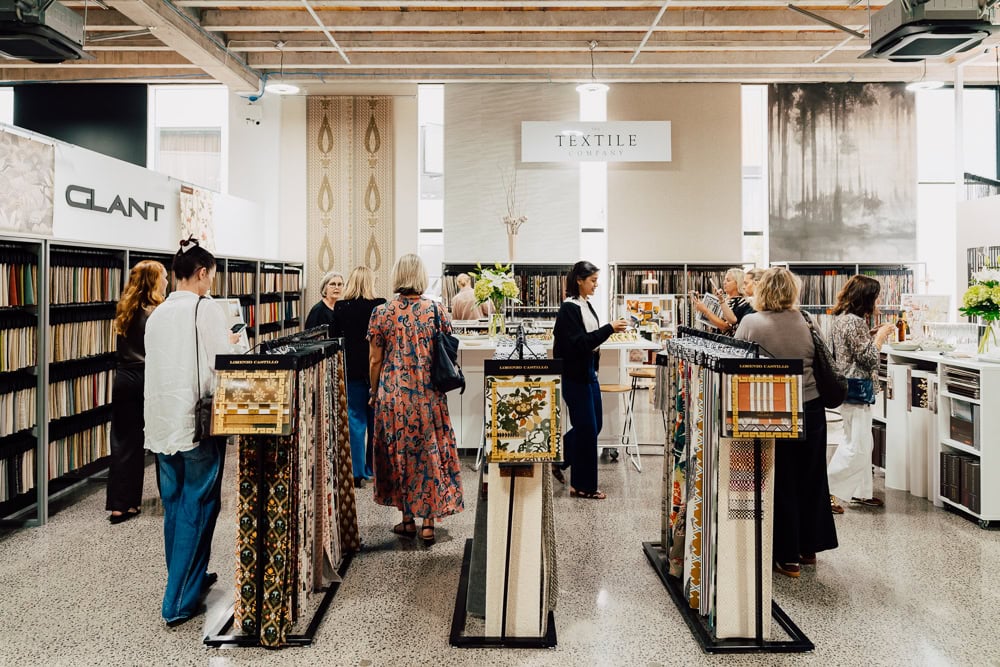
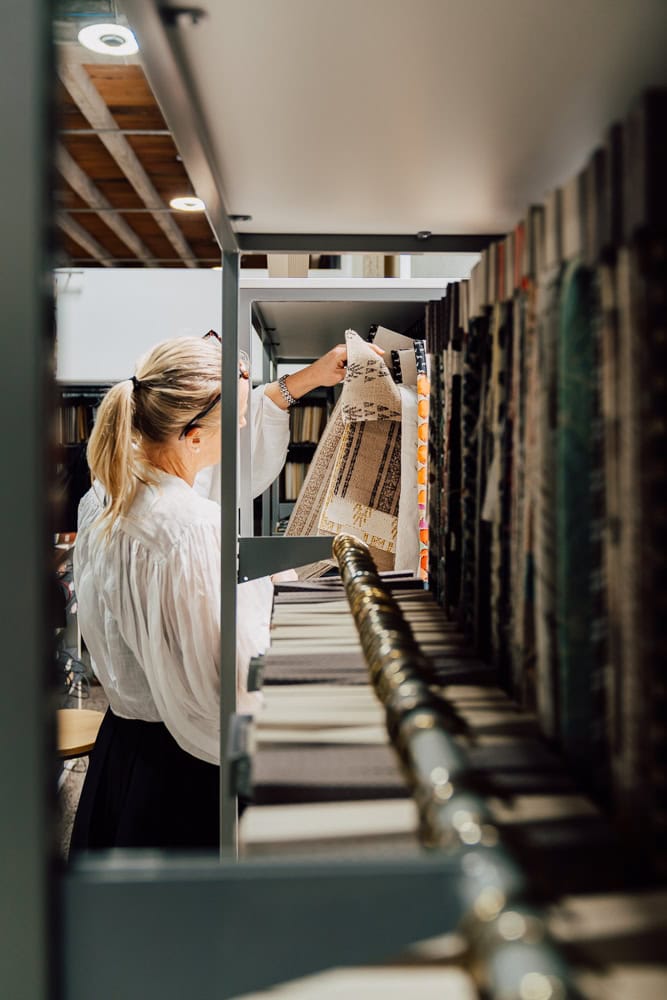
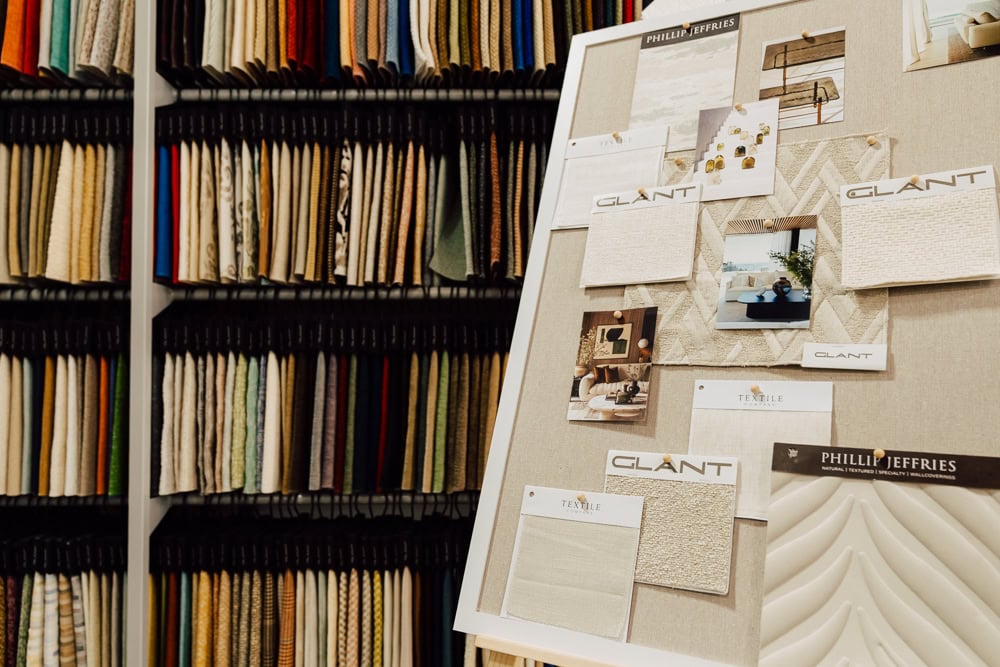
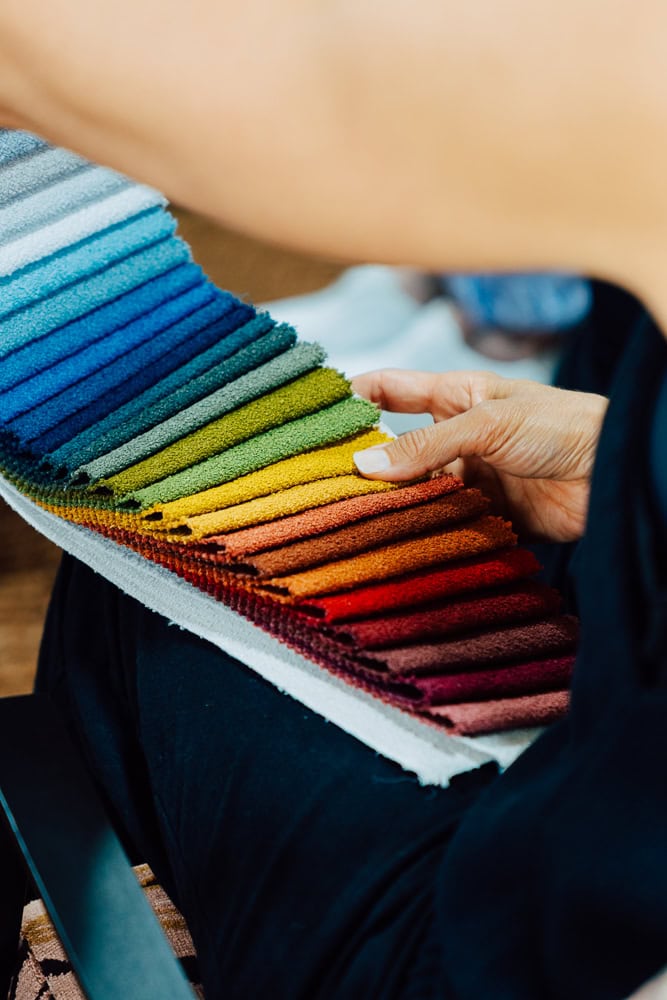
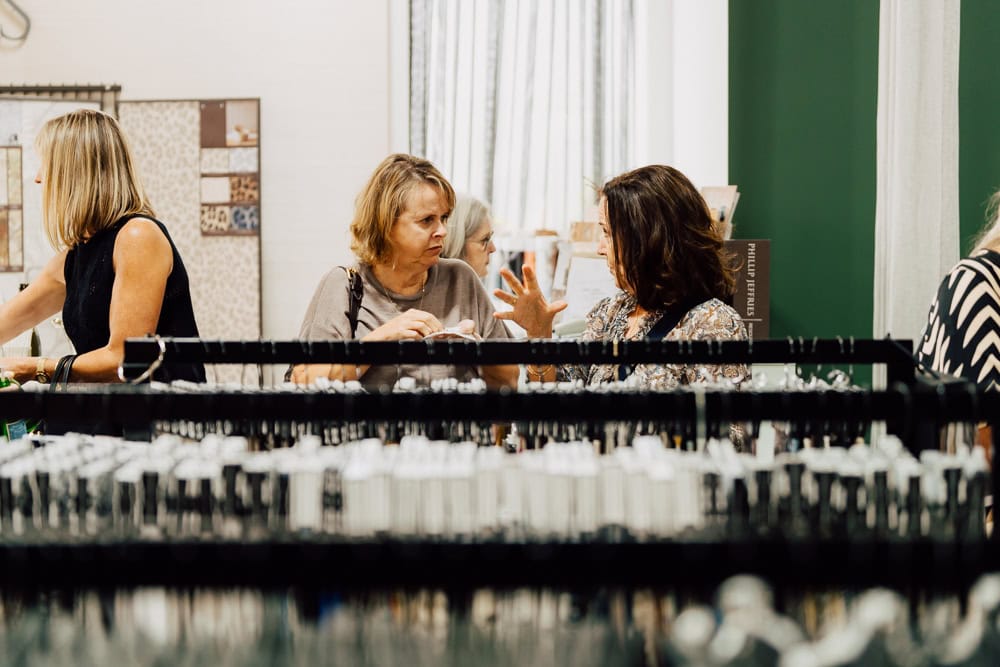
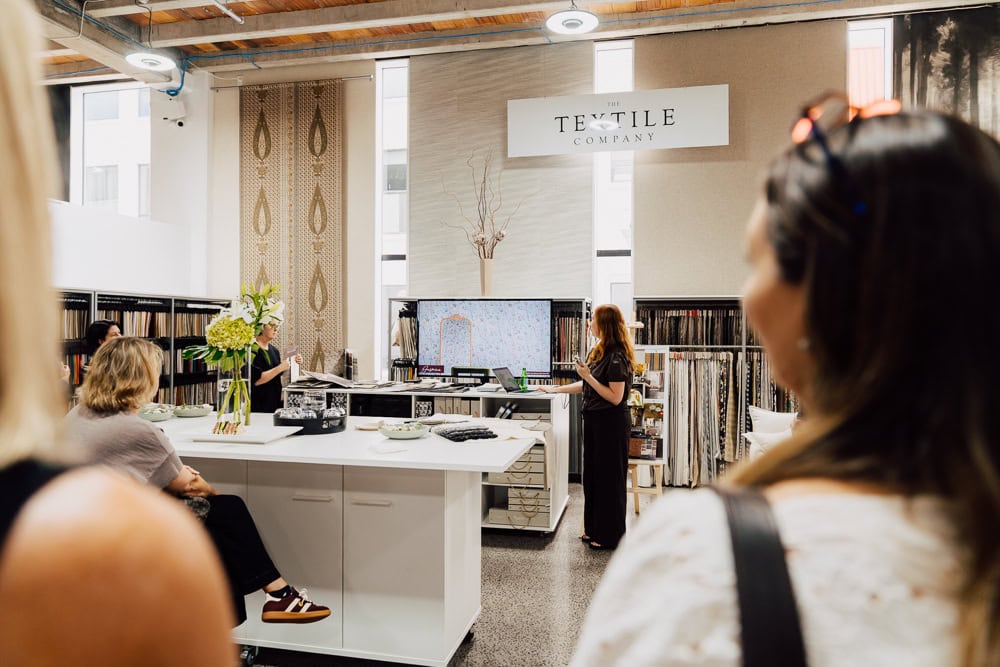
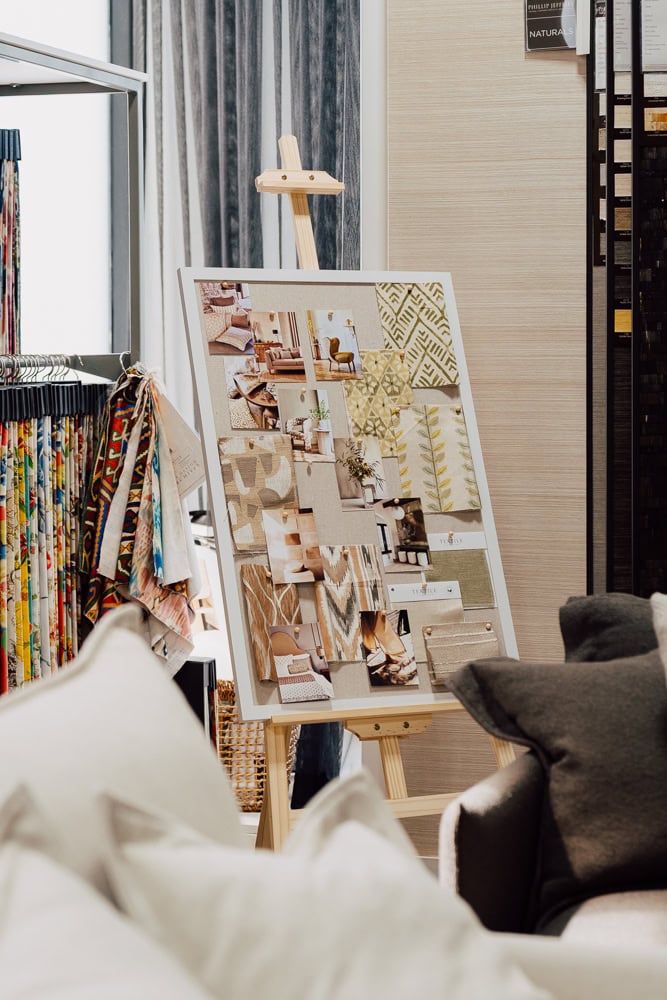
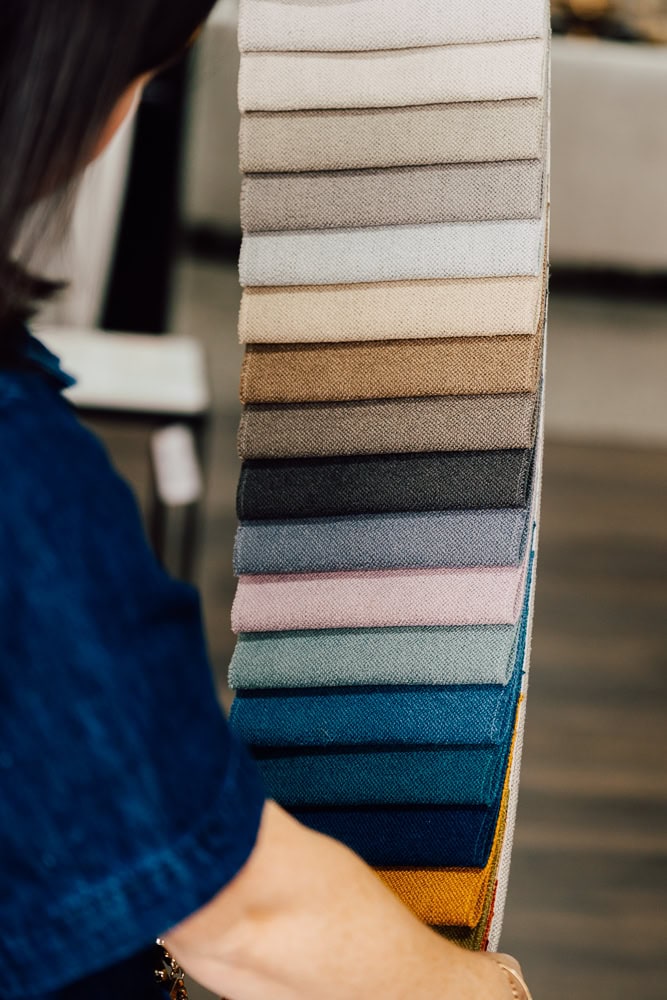
Step into their showrooms and that becomes immediately apparent. Walls layered with textiles arranged by tone and tactility, printed fabrics organised with precision, and a library of grasscloths, wallcoverings and murals that invite touch as much as they do specification. It is a space built on serious product expertise — but more than that, on an instinctive understanding of how designers work. Not simply selecting materials, but building entire interiors from them.
More than four decades earlier, there was little to suggest this trajectory. At 19, Peter’s introduction to textiles came not through design, but necessity — a role in an inner-city Auckland warehouse at JP Keys & Company, cutting fabric, dispatching orders and moving stock. What followed was a rapid progression — managing the warehouse, then moving into sales, travelling the country and developing a deep understanding of both product and people.
Starting work in a Textile warehouse was a twist of fate, as at the time I just needed a job. I immediately loved the routines of warehouse work and I really enjoyed working with fabrics. The biggest thing for me was the relationship building, whether it was on the road calling on customers or working with our suppliers and brands. I have also been really fortunate to have a wonderful team of dedicated people working within the business.
- Peter Fitzgibbon


In 1984, an opportunity took him to Sydney, where his role expanded quickly. He travelled extensively, building a national sales network while beginning regular trips to Europe and the United States — sourcing textiles, attending trade fairs, and forming relationships with suppliers that would become foundational to the business. These experiences placed him at the centre of the textile world at a time of significant growth and change.
In 1997, that momentum culminated in the launch of Crowson Fabrics Australia, followed by the establishment of Crowson Fabrics New Zealand in 2000 — both highly successful ventures built in close collaboration with UK textile powerhouse Derek Crowson.
But as the market evolved, so too did the need to refine the model.
In 2012, The Textile Company was established — not as a reinvention, but as a more considered expression of everything that had come before. Built on longstanding relationships, global sourcing expertise and a clear point of view, it marked the beginning of a new phase.
What distinguishes the business is not the breadth of its offering, but the restraint behind it. In an industry often driven by volume, The Textile Company has deliberately maintained a tightly edited portfolio of suppliers. This “less but better” philosophy allows the team to develop deep knowledge of each brand — understanding not just how a fabric looks, but how it performs, how it wears, and where it belongs.
Many of these partnerships are built on decades of connection. Brands such as Phillip Jeffries, Aldeco, Gastón y Daniela, Glant and others bring with them heritage, innovation and a distinct point of difference — qualities that are carefully considered before entering the portfolio.
There is also a natural alignment in structure. Like The Textile Company, many of these mills are family-owned businesses, grounded in tradition and driven by a long-term view.
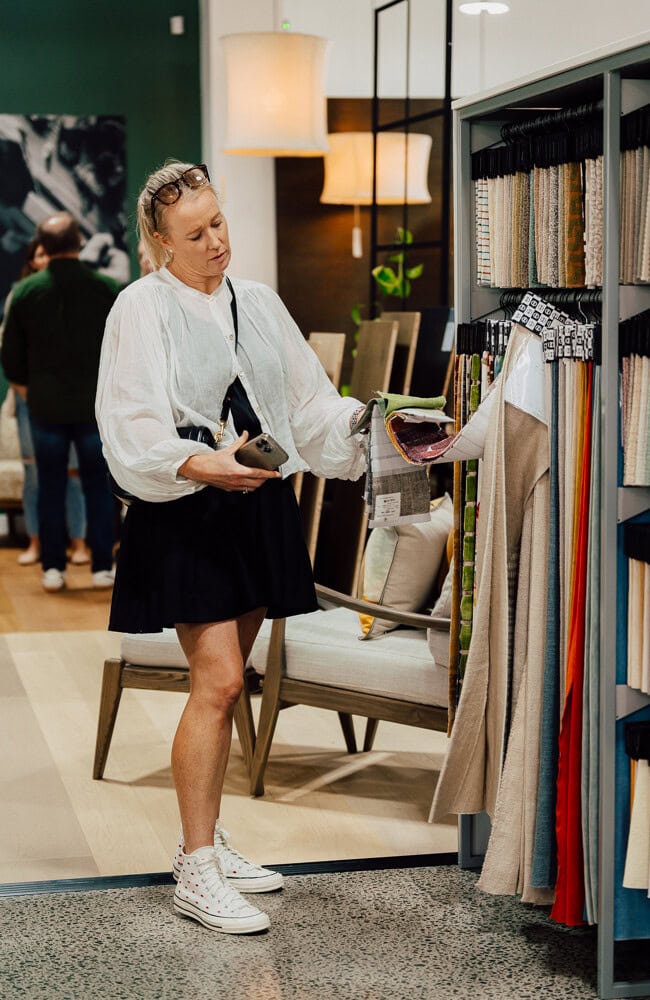
For designers, the value is immediate. Access to globally respected brands. Strong local stock holdings. Efficient delivery timelines. And importantly, a team with the knowledge to guide specification — supported by extensive sampling resources that respond quickly to project briefs.
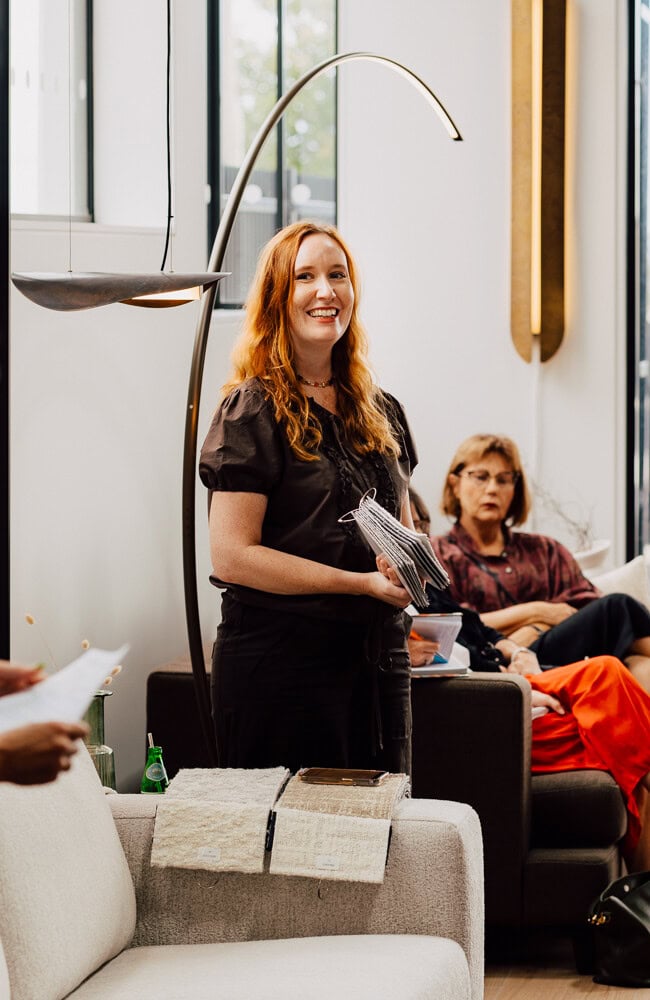
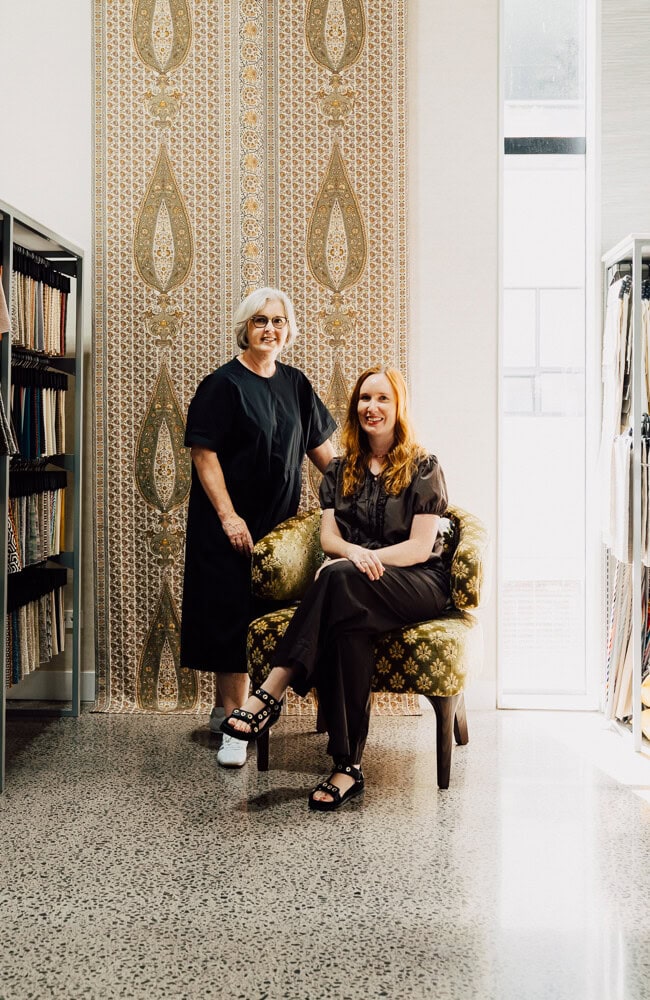
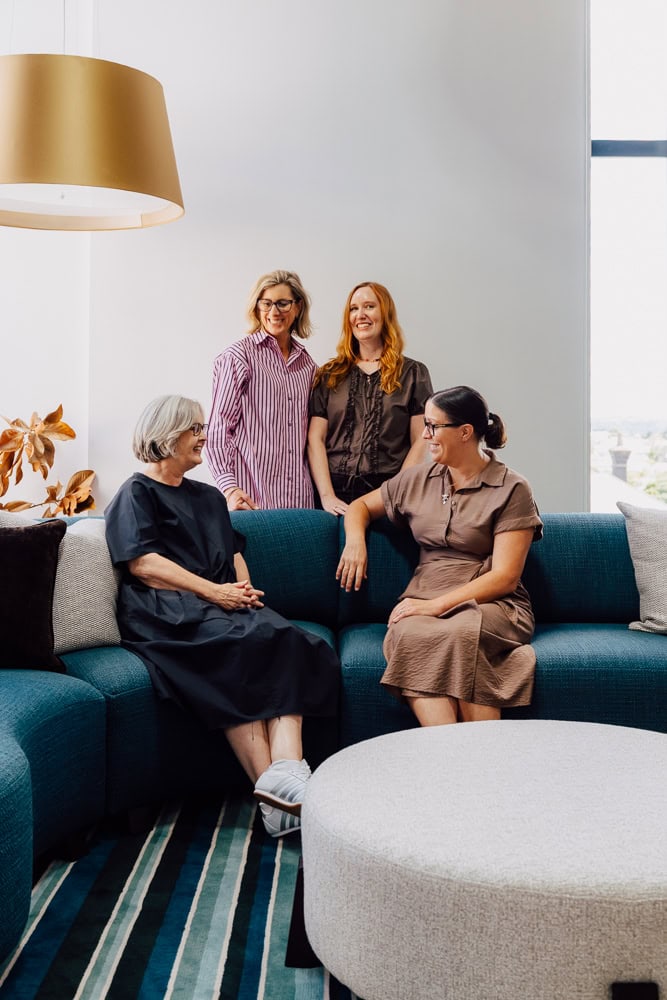
The introduction of Jessica Fitzgibbon into the business has added a new dimension to this foundation. What began as support has evolved into a true partnership — one that balances experience with perspective. Peter brings commercial acumen, long-standing relationships and an intuitive understanding of textiles; Jessica brings creative direction, more than 15 years of industry experience, and a focus on storytelling, collaboration and craft.
“Dad and I work well together — we’re different,” she says. “We bring different strengths.”
For Jessica, fabric is never just a sample. It is context, origin, and narrative. “I need to understand the story behind it — where it comes from, how it’s made — that’s what brings it to life.”
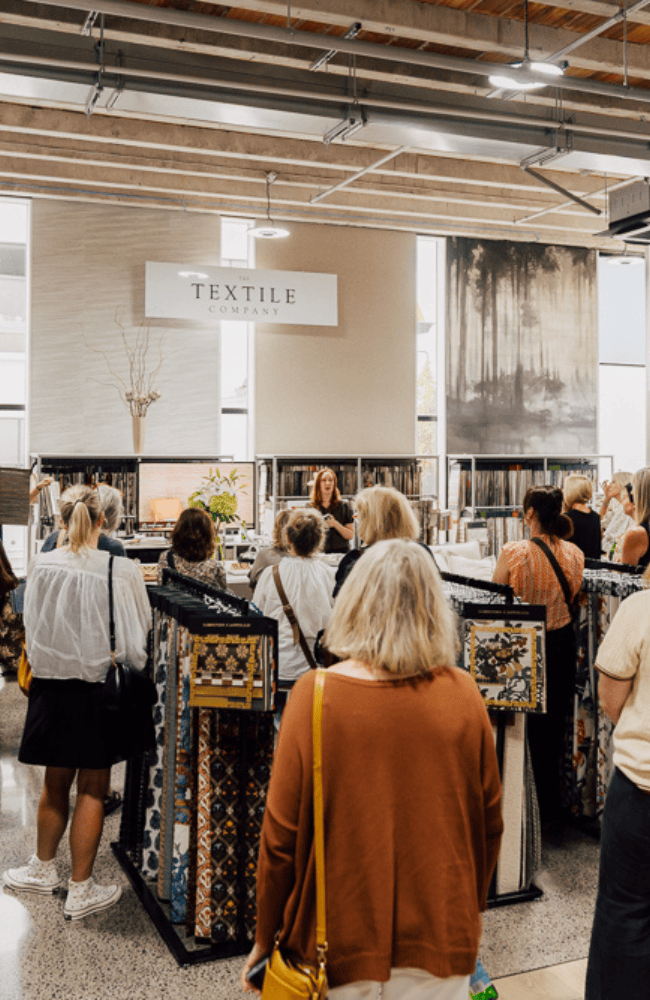
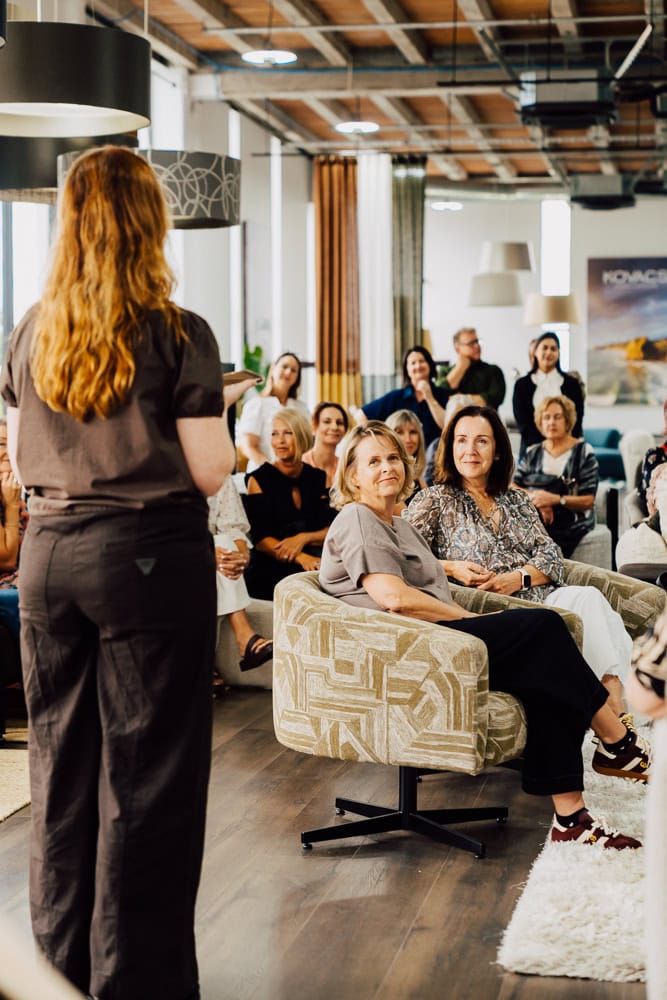
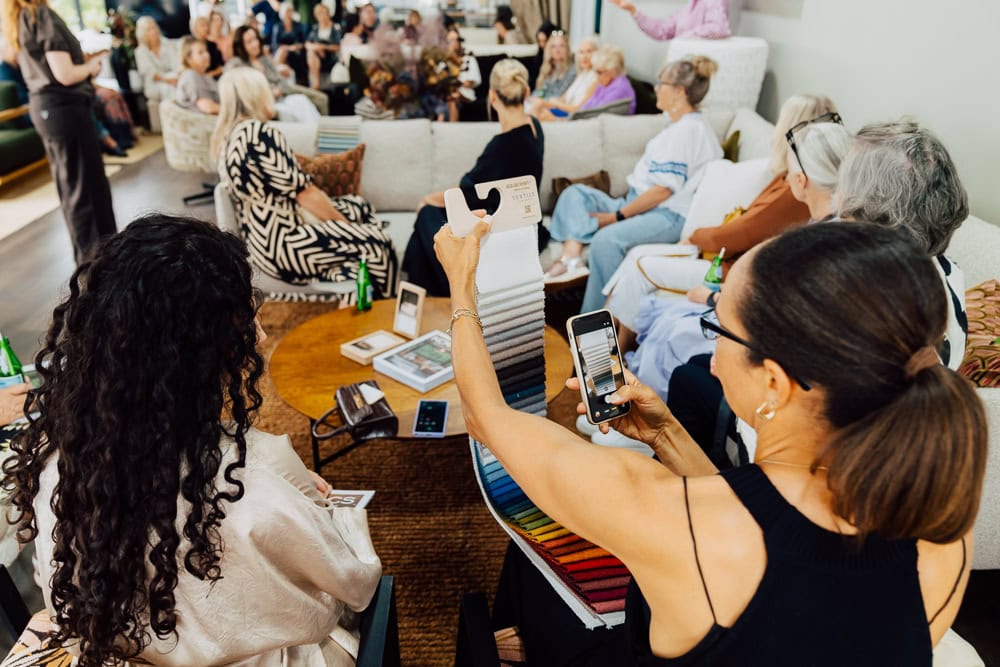
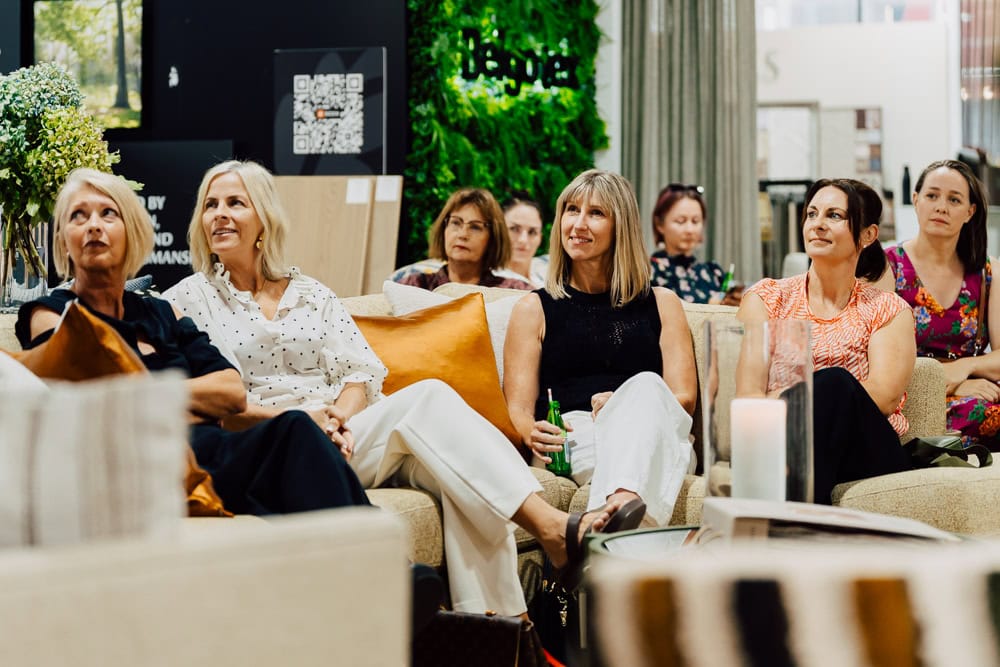
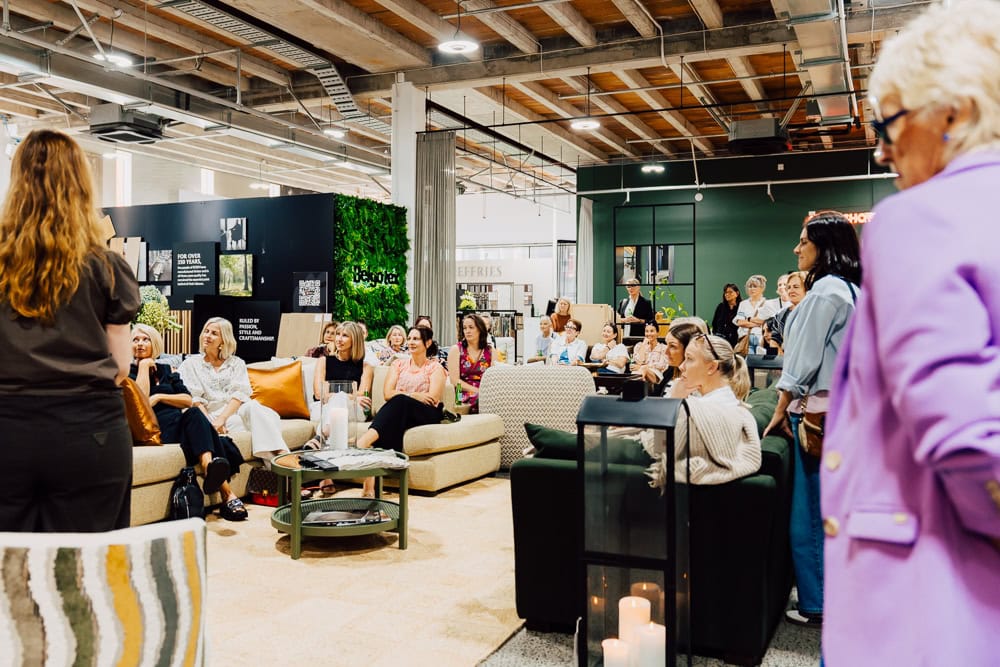
This perspective has shaped a growing programme of industry events, bringing designers together with makers and mills for deeper engagement. These gatherings are not simply presentations, but conversations — opportunities to understand the provenance and process behind the materials being specified.

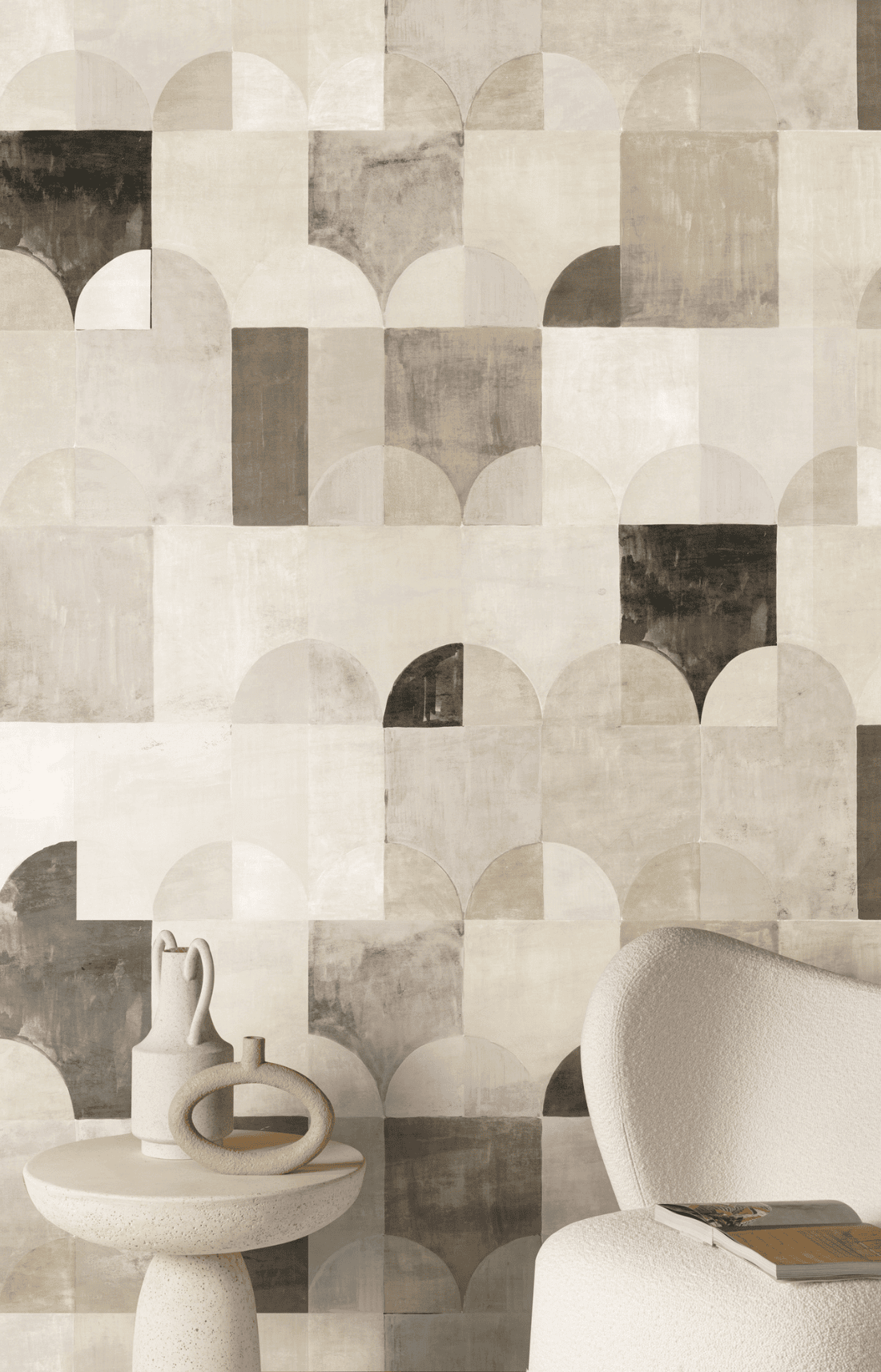
This emphasis on storytelling aligns with a broader shift within the industry. There is a renewed appreciation for traditional techniques — for materials that carry the mark of the hand. Collections such as handwoven grasscloth wallcoverings, crafted from natural fibres and finished through multi-stage artisanal processes across regions, are increasingly finding their place in high-end residential interiors and hospitality spaces alike. They offer something that flat finishes cannot: depth, tactility, and a sense of authenticity that is felt as much as it is seen.
Alongside this renewed interest in craft sits a growing awareness of sustainability. The textile industry remains one of the most resource-intensive globally, prompting a more considered approach to sourcing. For The Textile Company, this means prioritising natural fibres such as linens, incorporating recycled materials including recycled polyester, and focusing on fabrics designed for longevity — materials that can be reupholstered, reused and reinterpreted over time.
“It’s not fast shopping,” Jessica explains. “When you’re reupholstering a piece, you’re making a long-term decision.”

Equally important is the support of local industry — working alongside Australian and New Zealand furniture makers, installers and workrooms, and fostering stronger connections between designers and the broader supply chain. It is a holistic view of sustainability, one that extends beyond product into practice.
In recent years, the introduction of The Textile Company’s private label collections has added further depth to the offering. Developed in collaboration with European mills and curated specifically for the Australasian market, these collections are designed to meet the needs of local designers — balancing quality, accessibility and efficiency.
With stock held locally in Sydney, these ranges offer competitive pricing and reliable lead times. Collections such as the Boutique range — sourced from leading Italian mills near Milan — introduce a more decorative layer, offering richly detailed upholsteries and textiles that can be ordered to suit specific project requirements.


Colour plays a central role. As does tactility. These are fabrics designed to sit comfortably within the palette of New Zealand and Australian interiors — refined, layered and materially considered.
At its core, The Textile Company remains a relationship-driven business. Designers are increasingly seeking more than product — they are looking for expertise, for partnership, for suppliers who can support them through the specification process and respond to the demands of fast-moving projects.
What they find here is a company that can do exactly that: provide curated collections, deliver samples quickly, offer in-depth product knowledge, and source solutions to meet a brief.
Because increasingly, fabric is not the final layer. It is the foundation.

Over the past two decades, few businesses have influenced fabric selection across Australia and New Zealand as quietly — and as consistently — as The Textile Company. It is not driven by scale, but by intention. A commitment to quality. To relationships. To the integrity of the product itself.
“We take our partnerships seriously,” Peter says. “We want to grow our brands — they deserve it.” For him, the business has always been about more than commercial success. “I see it as a legacy,” he reflects. “Something that continues long after I’m gone.”
For Jessica, that legacy has become personal.
“Dad is obsessive about fabric,” she says. “And now I understand why. It’s all driven by passion.”
Because in the end, fabric is never just surface. It is structure. It is story. It is where everything begins.
-FOLIO spoke with David Shaw, Kovacs and Montreux on their fabric selections and the role of textile in shaping each piece.
Who is David Shaw Furniture?
For over 40 years, David Shaw has shaped the landscape of New Zealand furniture design. What began as a grassroots vision has grown into a multigenerational company grounded in craftsmanship, integrity, and a commitment to local production. Each piece is designed and made in New Zealand, using local materials, skilled labour, and considered, sustainable practices that results in furniture that feels both timeless and deeply connected to place Today, the legacy continues through the next generation. Amy Shaw, Creative Director, leads with a design-driven vision, while Amanda Cook, Sales Director, ensures a strong connection to clients and industry. Together, they are positioning David Shaw on a global stage creating collections that sit effortlessly alongside international design houses, while remaining proudly New Zealand made.
What fabrics do you most love to pair with your furniture pieces and why?
Fabric selection is a huge part of bringing a piece to life. It’s not just about what looks good, it’s about how the fabric works with the form. On curves, you can’t go too rigid, you need something that moves and sits properly without fighting the shape. We often lean into thicker, more textured fabrics to help soften or obscure seams, especially on more complex pieces. Pattern placement also becomes really important, along with whether the fabric is railroaded or run in the standard direction. It’s those small, considered decisions that make the final piece feel effortless and resolved.

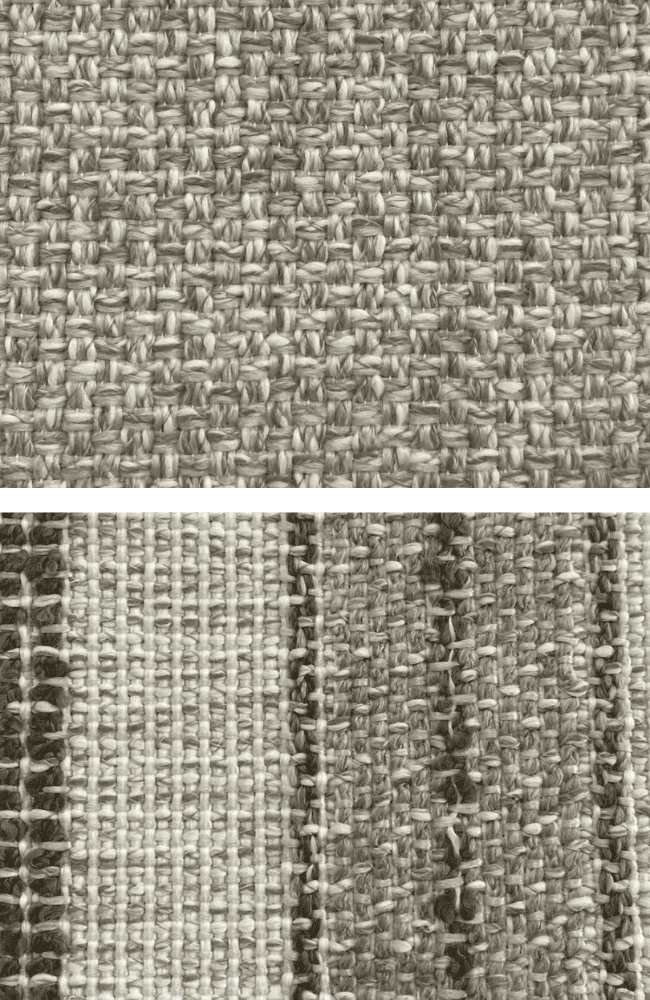
Talk us through the selection of the The Textile Company’s Private Label Treviso fabric for the Benson sofa and why you love it.
Treviso was selected for the Benson sofa for its balance of texture, tone and durability — a soft, plush fabric with a subtly aged character that softens the sofa’s structure, adds depth through its nuanced pile, and is well suited to everyday use.
Who is Kovacs Furniture?
Kovacs Design Furniture is a family-owned and operated business that has been designing and constructing luxury furniture in New Zealand since 1959, building a lasting legacy of craftsmanship and quality We are incredibly proud of our skilled craftspeople and the experience, dedication and care they bring to every piece we create Our focus remains on thoughtful design, quality materials and enduring construction, with sustainability always on our mind.
What fabrics do you most love to pair with your furniture pieces and why?
Our frames are hand-crafted using robust materials, built to stand the test of time, often for decades. It’s only natural that they are paired with fabrics of equal quality and integrity. We are drawn to textiles that offer versatility, perform effortlessly in their environment, and of course, look exceptional. The selection process is a considered and important part of the overall outcome. A fabric not only defines the aesthetic, but also influences how a piece lives and wears over time. For example, while the relaxed, organic character of 100% linen can achieve a beautifully natural look, blending linen with a durable synthetic fibre such as nylon enhances performance, improving resistance to fading and minimising stretch or sagging. For us, the ideal fabric is one that brings together beauty and function, elevating the overall look of a piece while ensuring it is designed for real, everyday living.
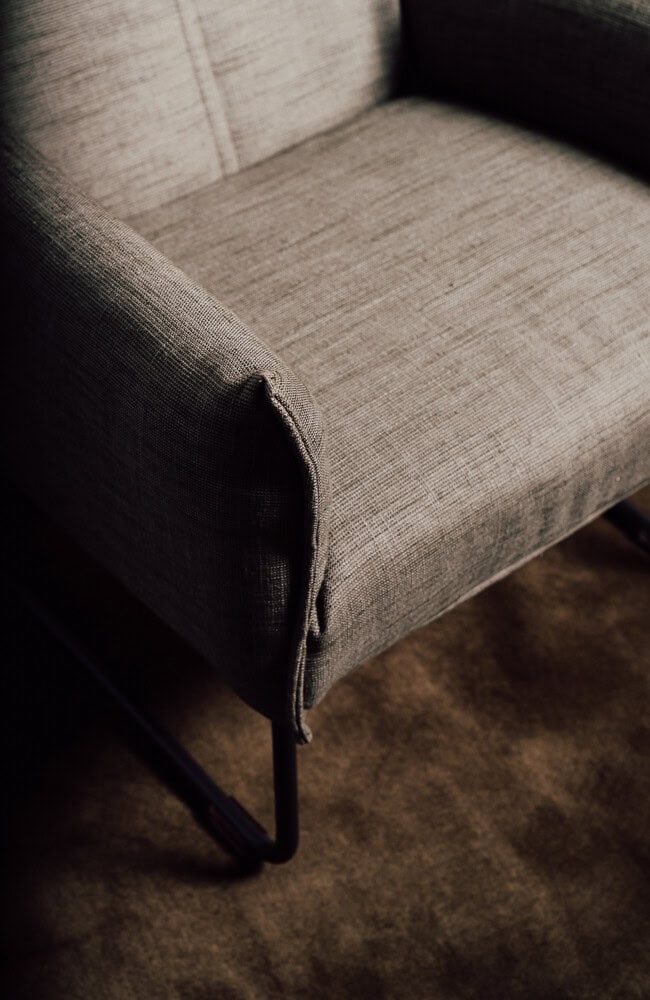
Talk us through the selection of the The Textile Company Private Label Mistral fabric for the Diesel chair and why you love it.
The Diesel chair is a statement piece, so selecting the right fabric was key to complementing its bold yet refined form. Mistral stood out for its beautifully balanced composition, blending natural fibres with synthetics to achieve both softness and resilience. This combination allows the fabric to retain a relaxed, organic feel while offering the durability needed for everyday living. In addition, the deep green and pale grey strands weave together to create visual interest and texture.

Who is Montreux Furniture?
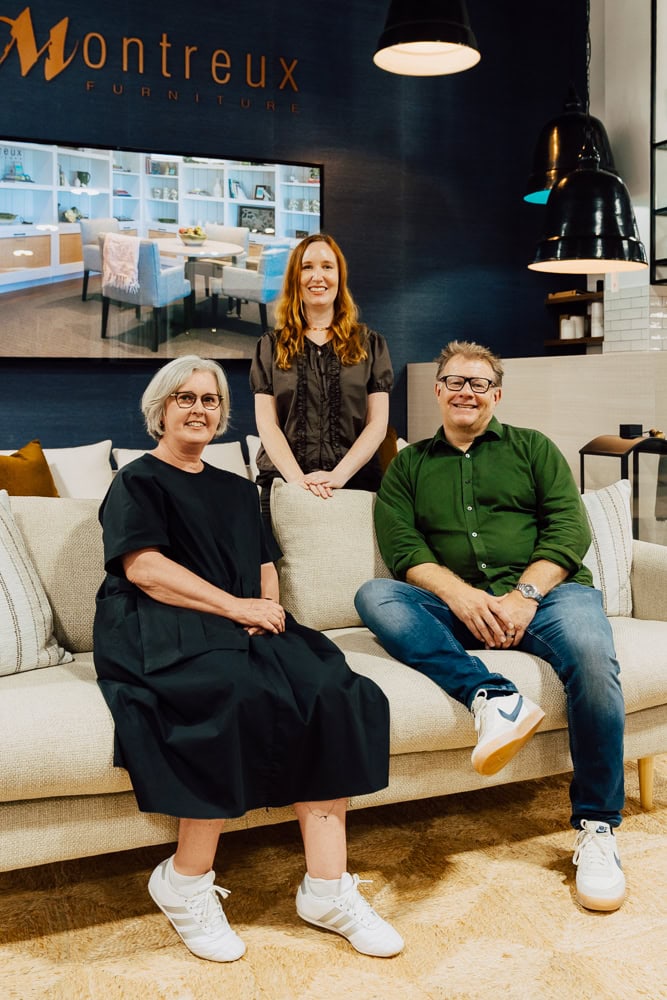
Montreux is a family-owned and operated Christchurch based lounge manufacturer. Priding itself on the structural integrity of each manufactured piece, be it from their substantial range or far reaching bespoke offerings. Andrew Hopping, along with his parents Pat and Barry and sister Deborah front the operation whilst behind is an elite group of artisan personnel that enable Montreux to create product for well appointed residential projects, Luxury Lodges / Hotels, Lifestyle villages, Bars and Restaurants. With 10 year structural guarantees, it reinforces the understanding that Montreux product is made to last.
What fabrics do you most love to pair with your furniture pieces and why?
Furniture is designed and made for purpose. Its coverings are part of this formula. Fabrics that are created to perform in an environment that handles wine lovers, grandchildren and family pets helps confidence when acquiring quality made furniture items.

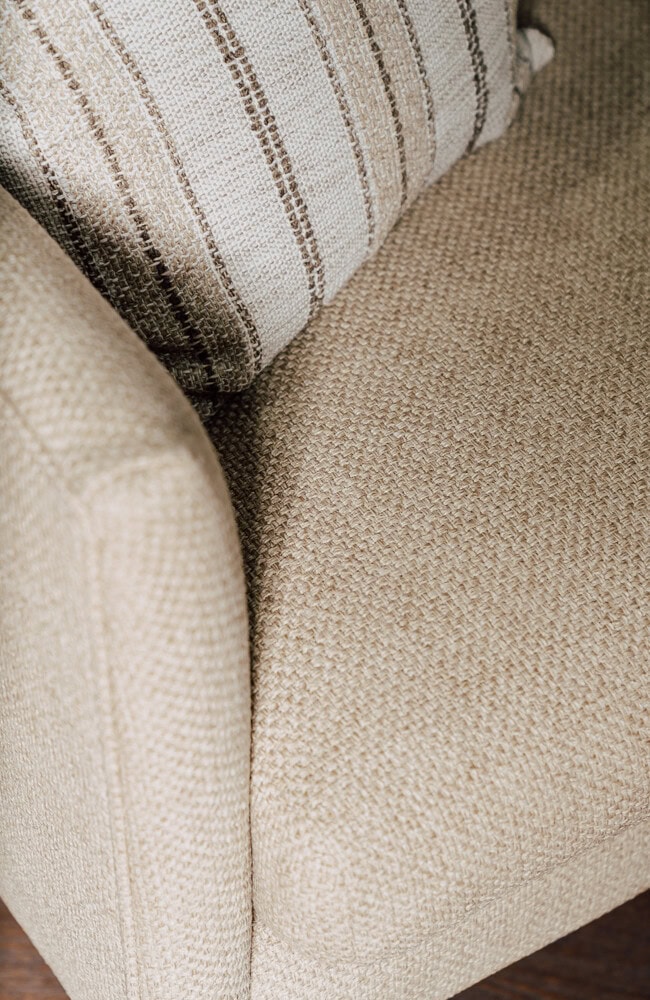
Talk us through the selection of the The Textile Company’s Private Label Ravello on the Frankie sofa and why you love it.
The Frankie sofa with its clean lines and low bulk appearance means it’s a model that can be placed in any room of the house or apartment. To pair it with The Textile Company’s Private Label Ravello and the Salerno stripe on the cushions, with its solution dyed polypropylene composition, means it handles all that is New Zealand lifestyle. A high colourfastness for our UV issues and easy clean for our love of central otago pinot noir meant an easy pairing of both furniture style and fabric selection.
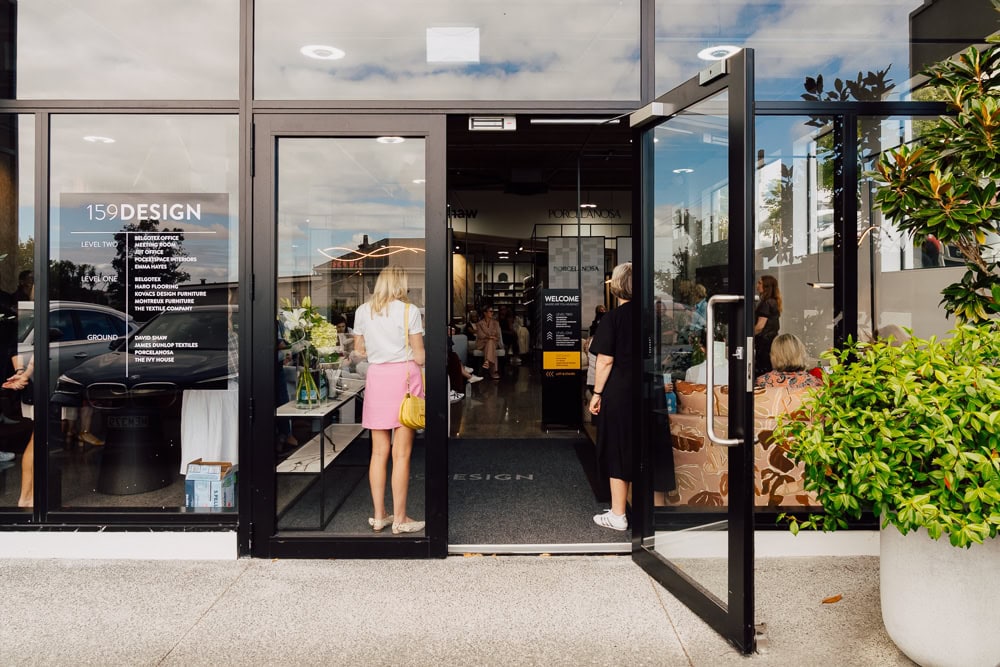
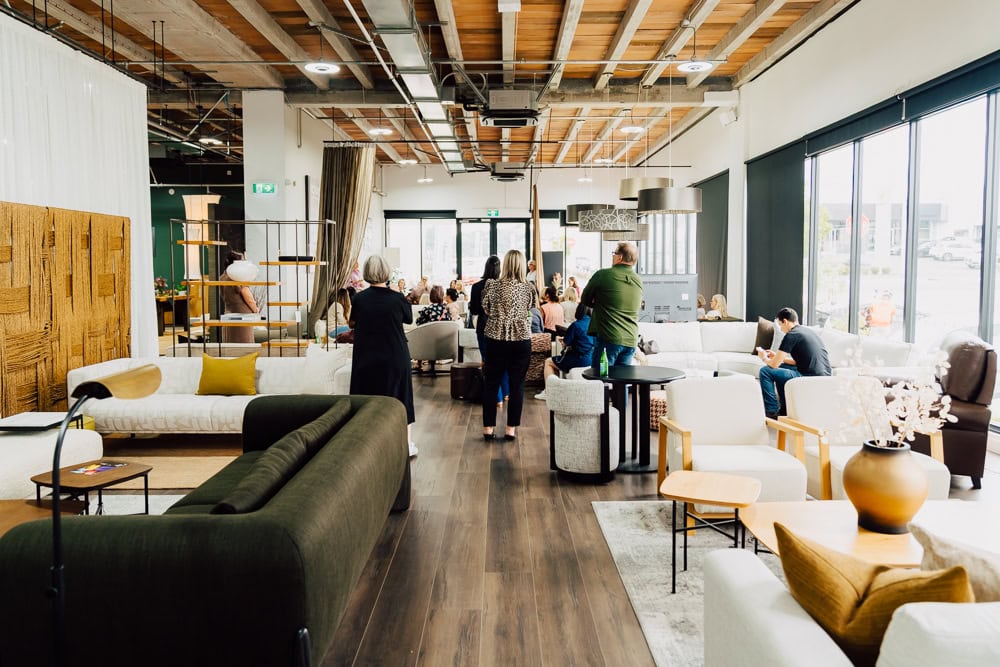
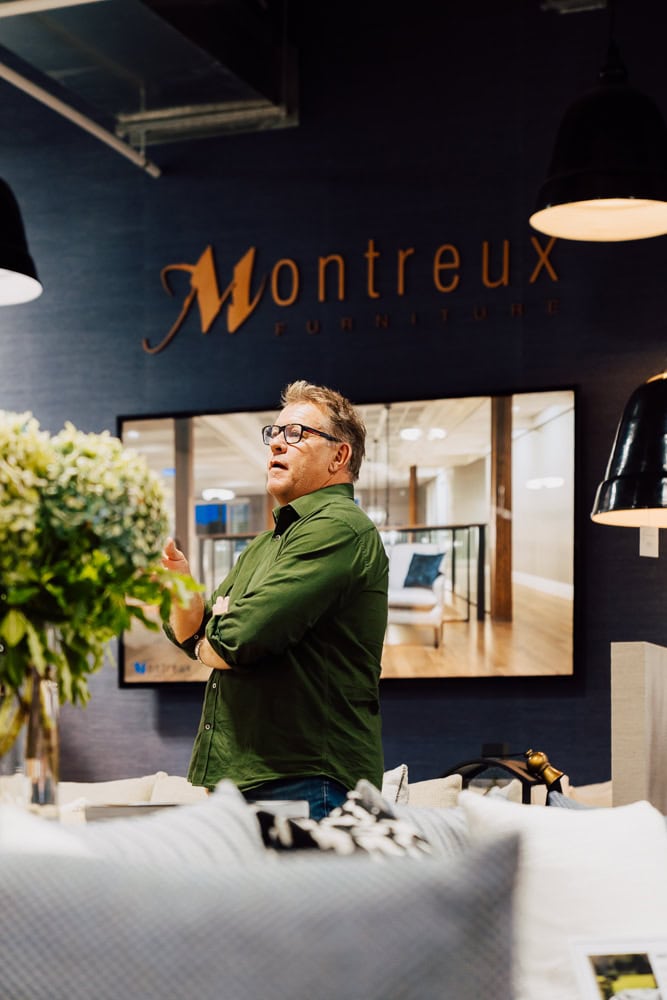
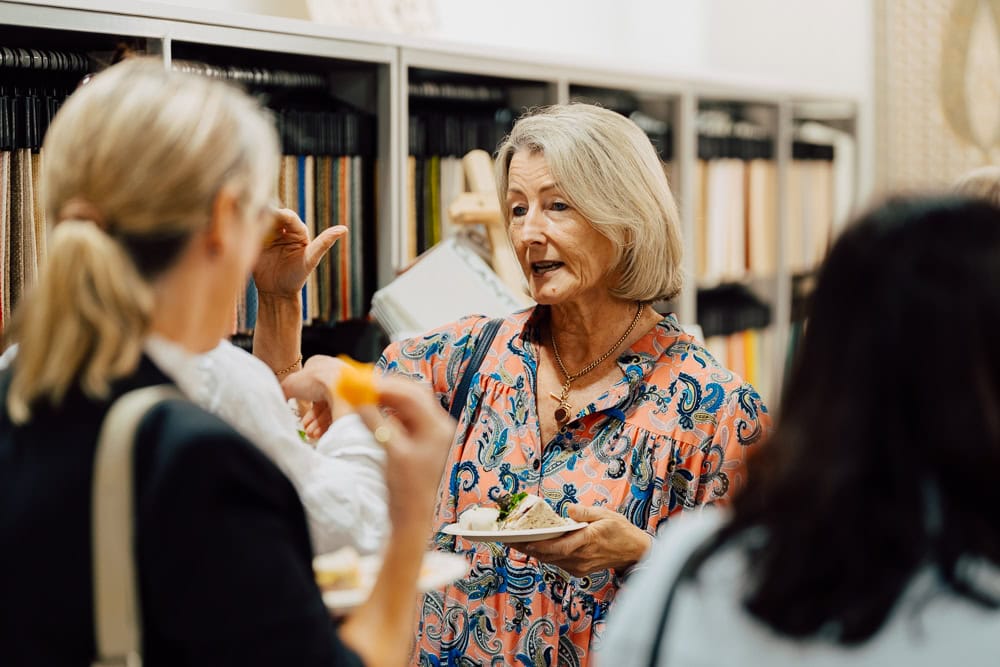
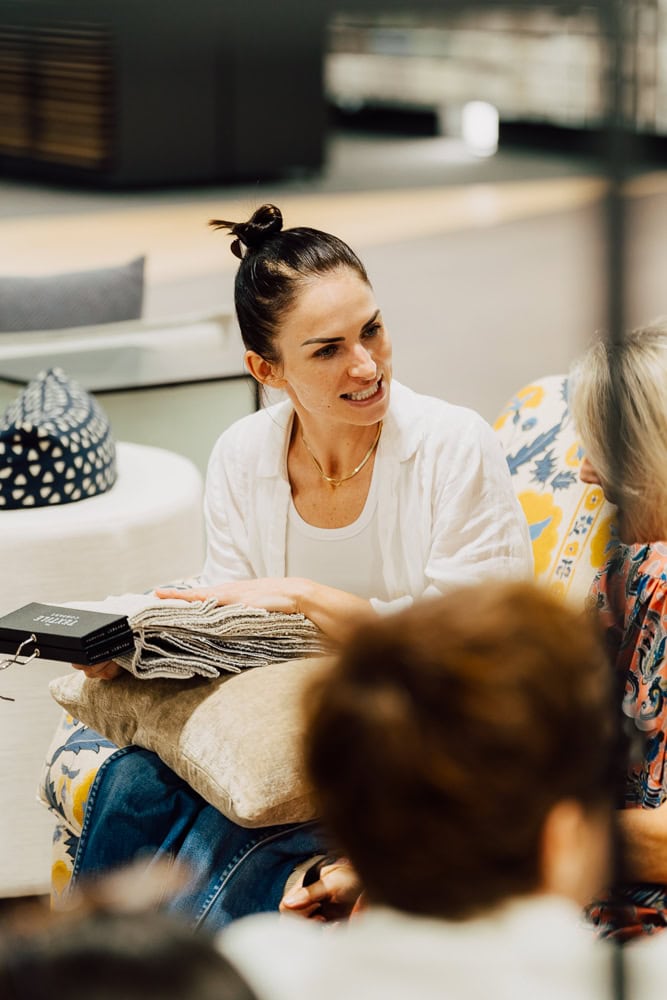
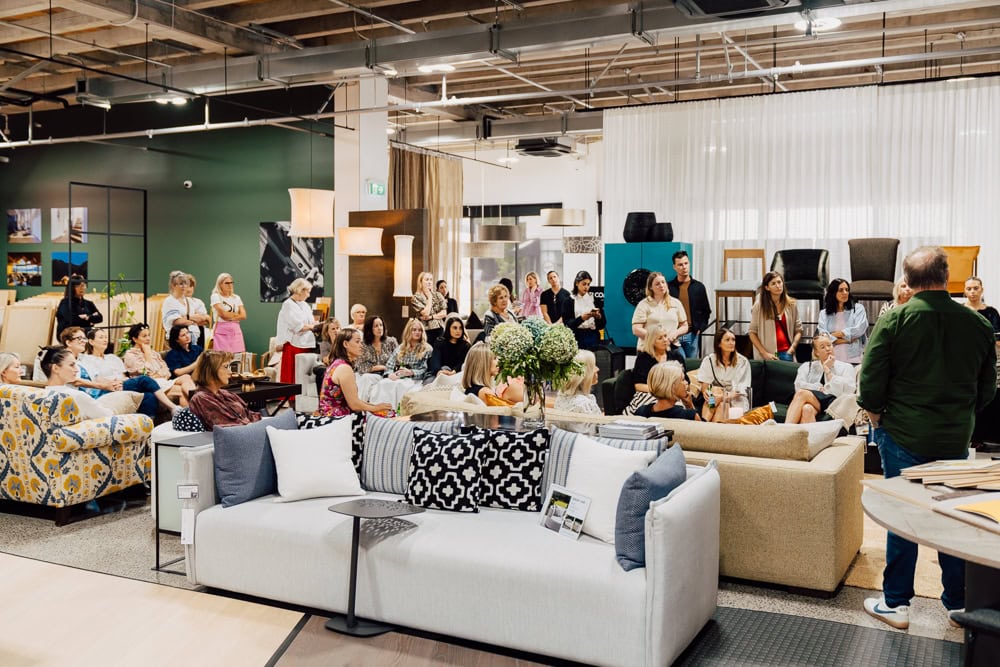
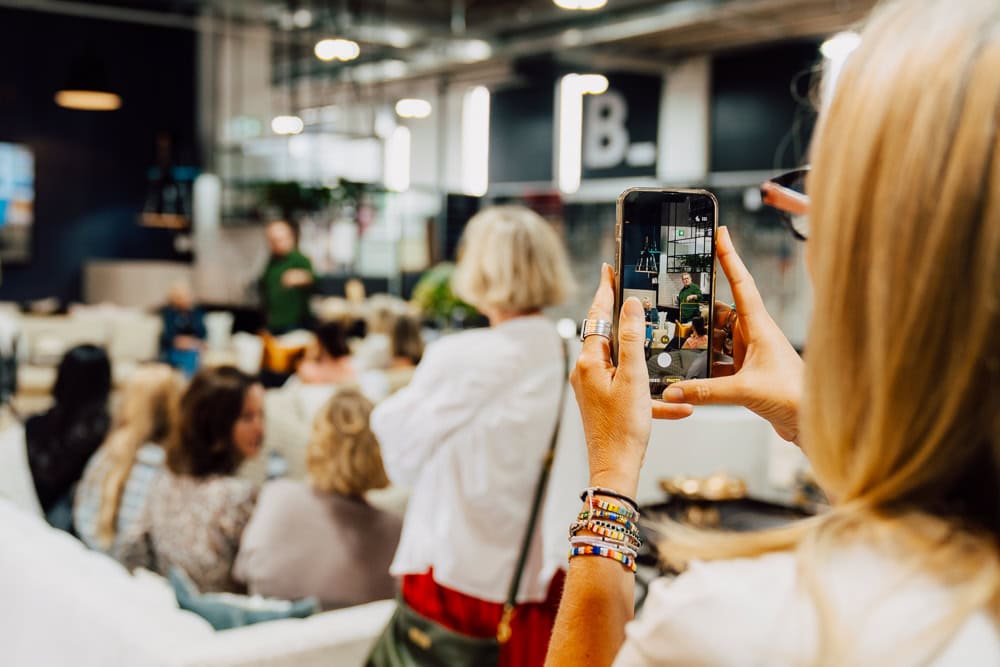
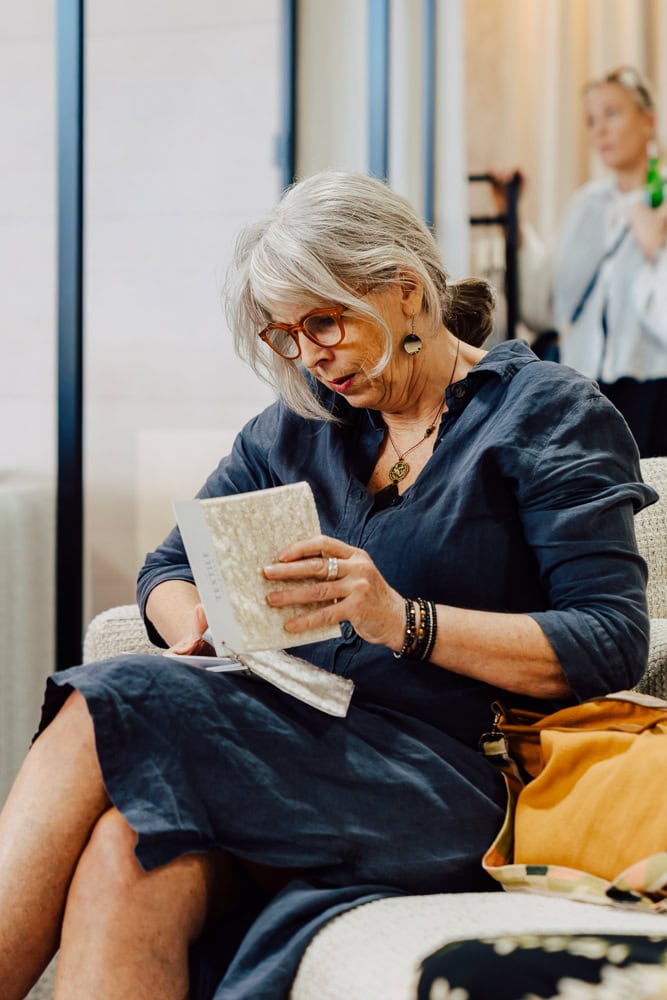
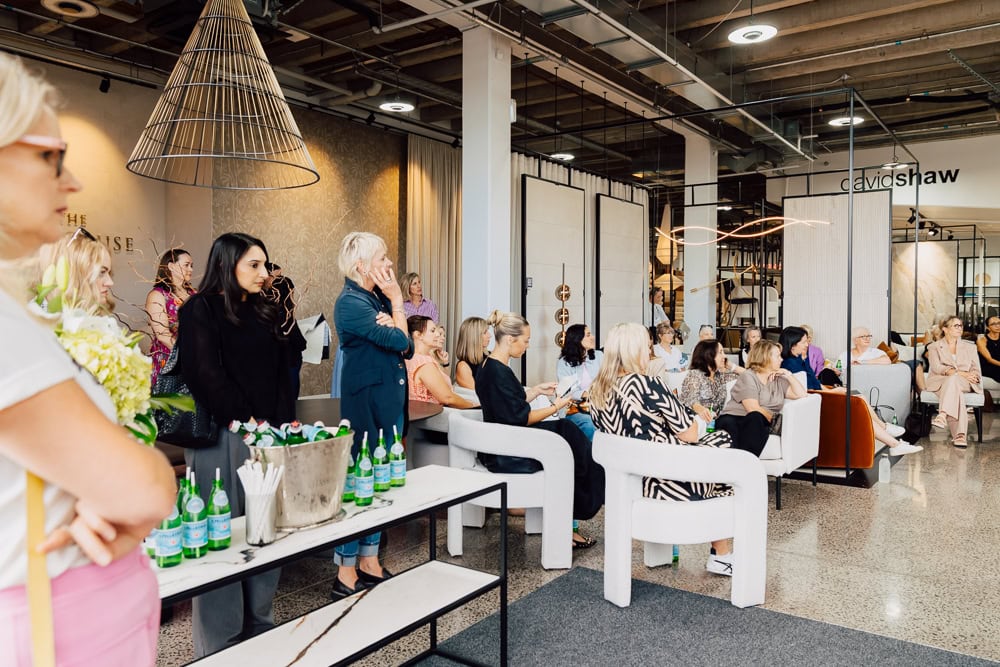
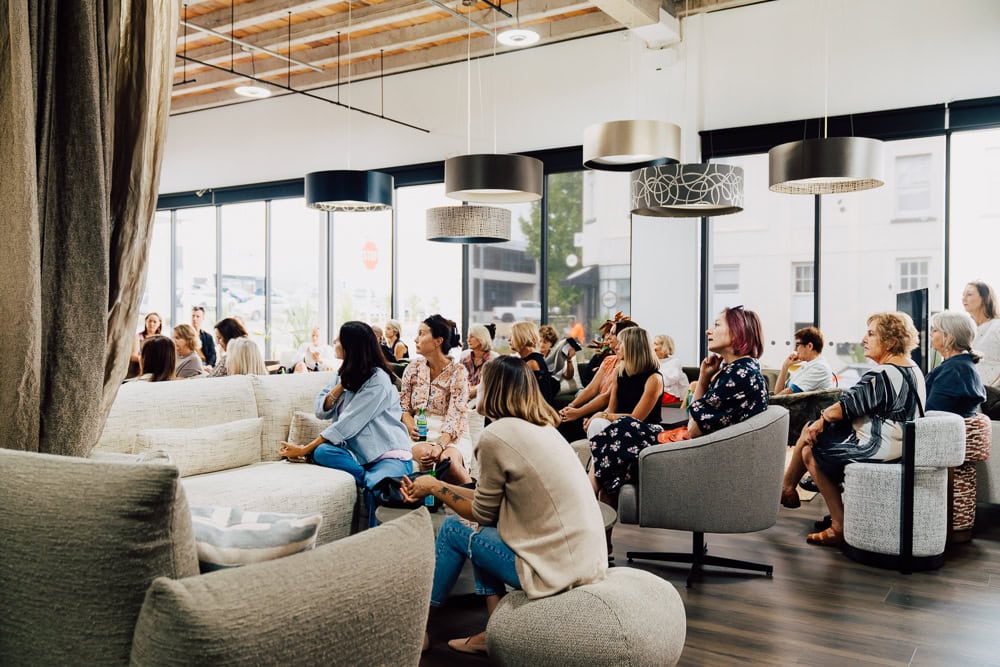
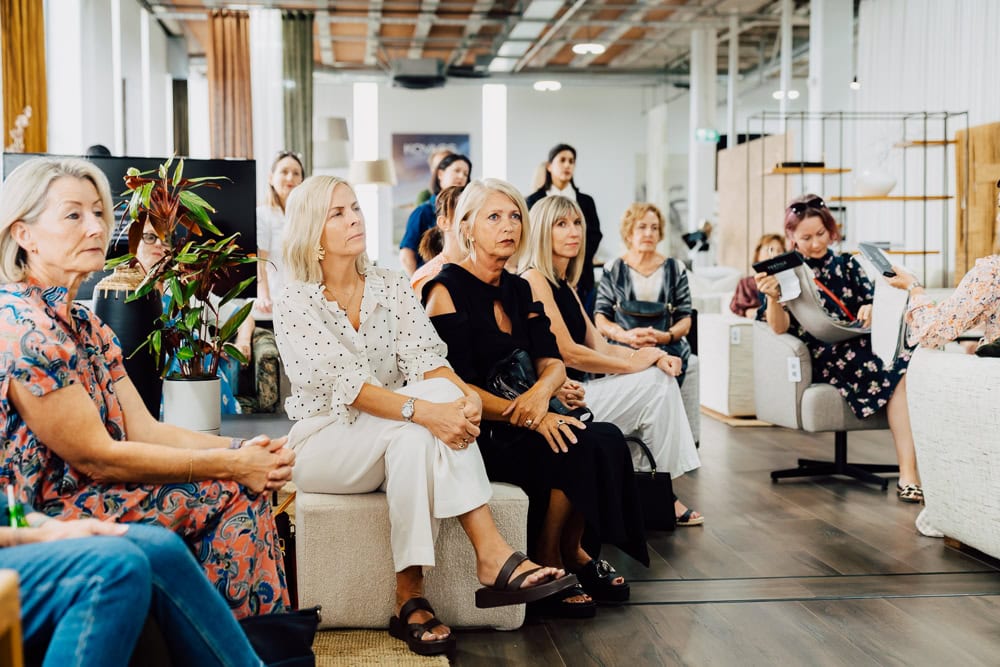
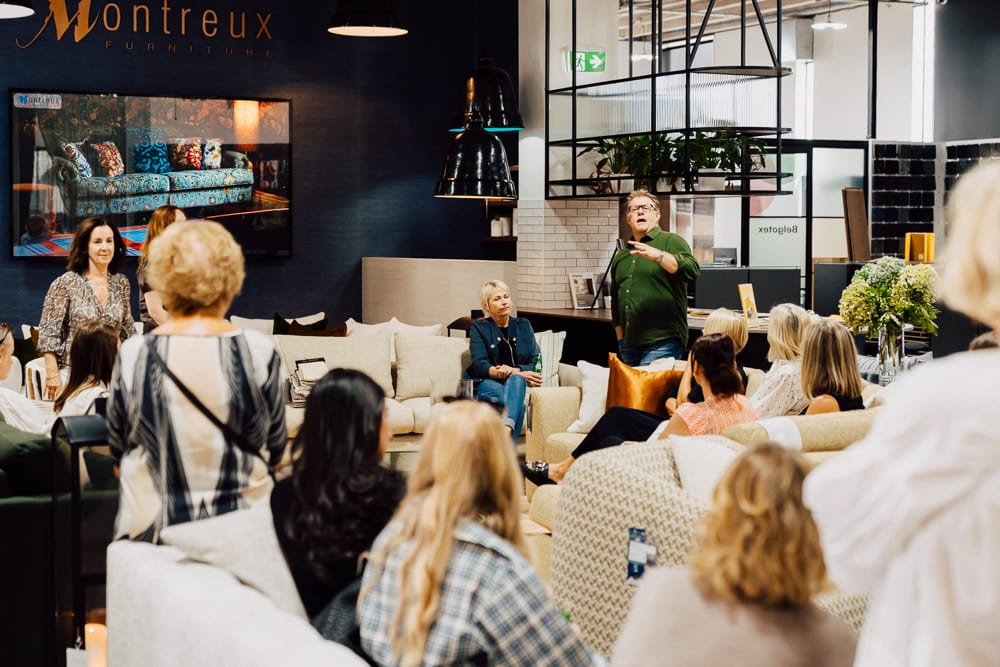
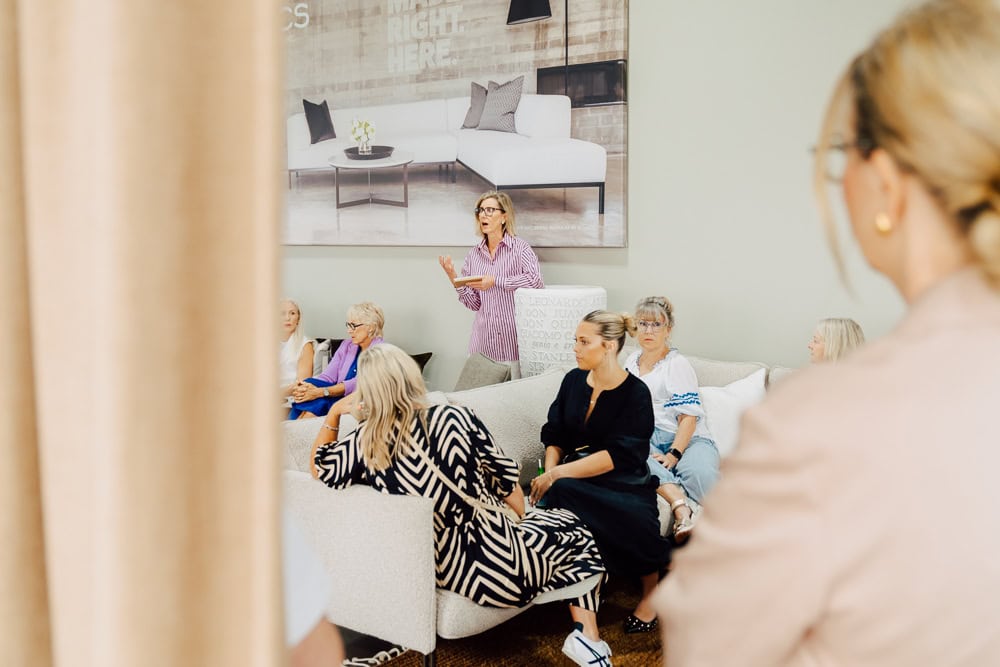
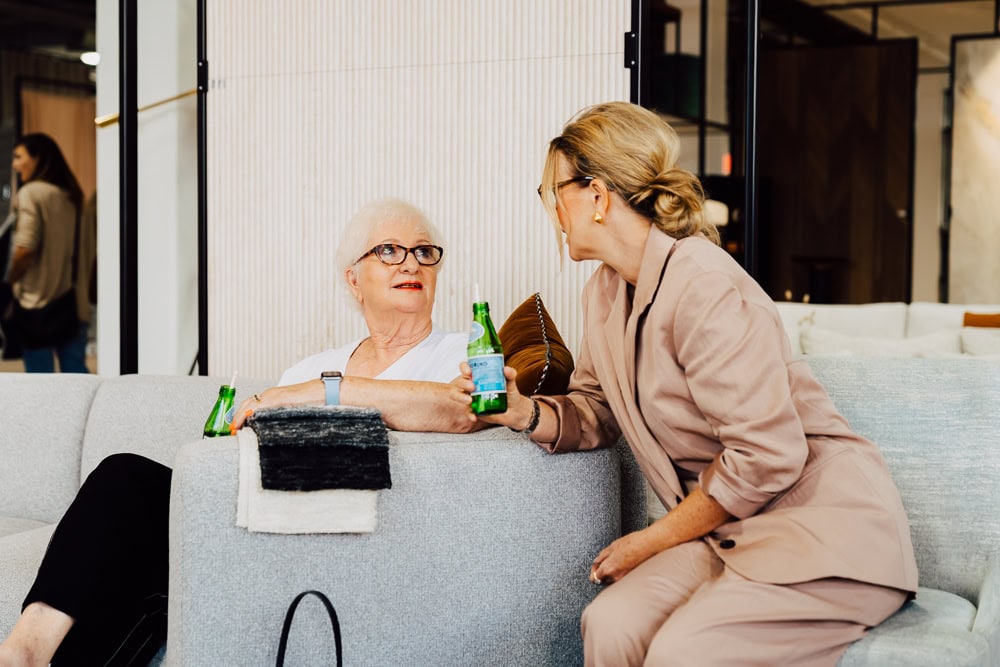
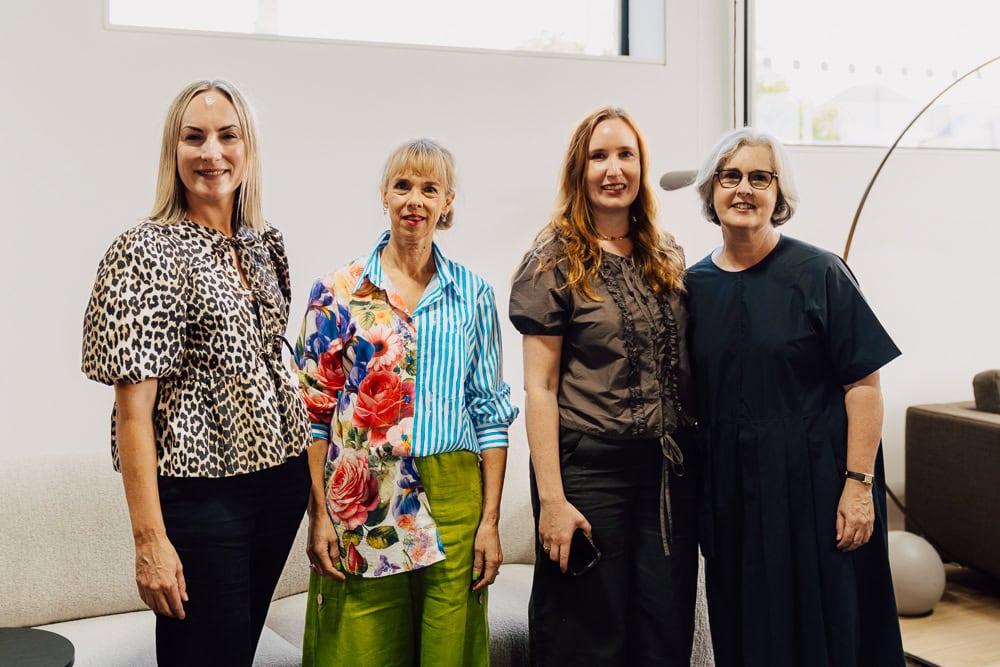
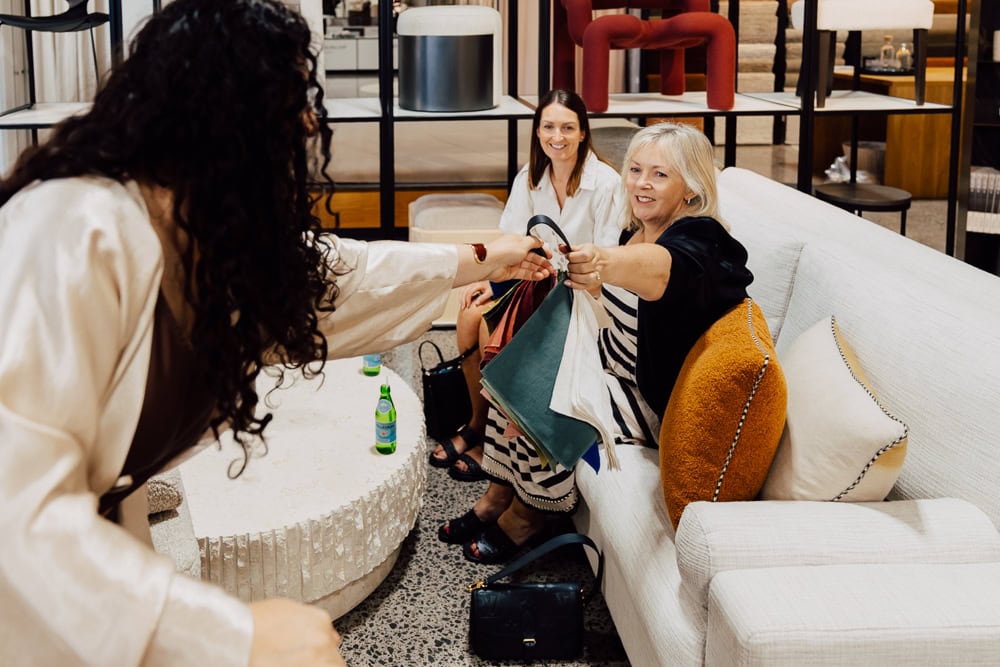
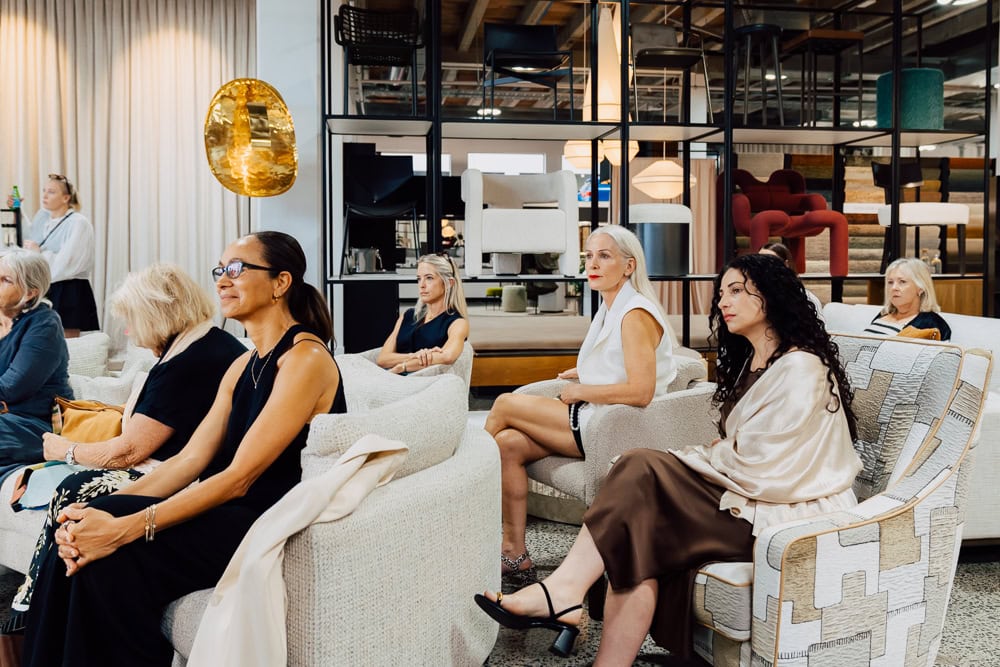
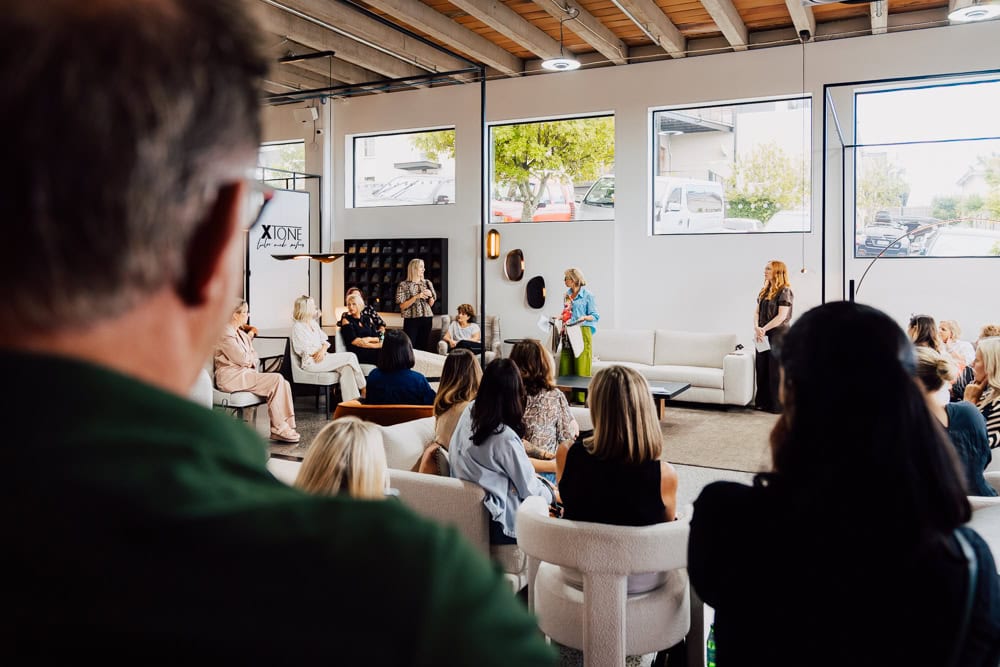
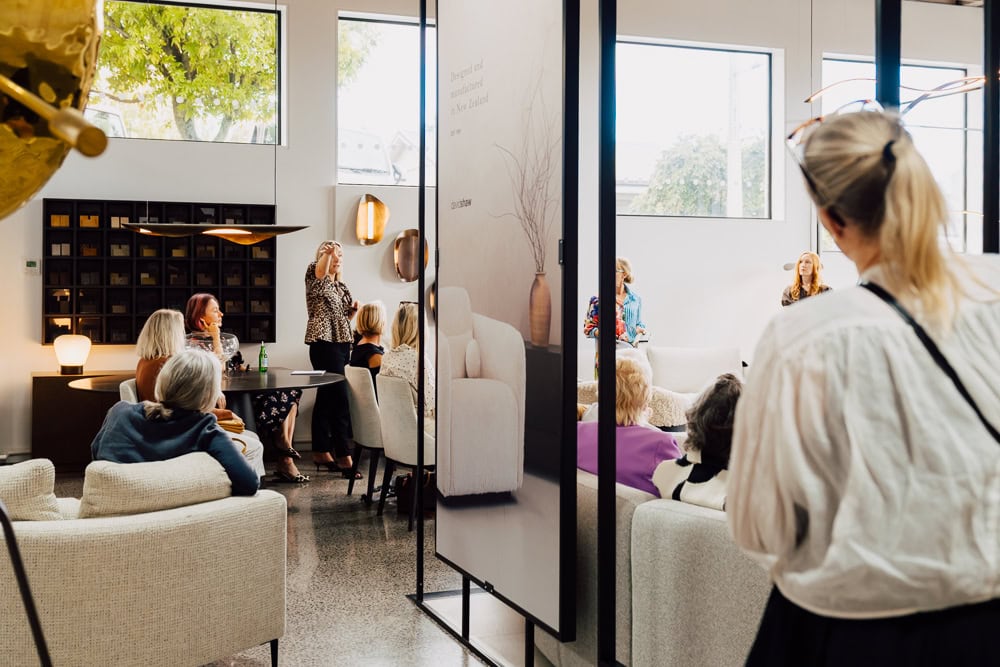
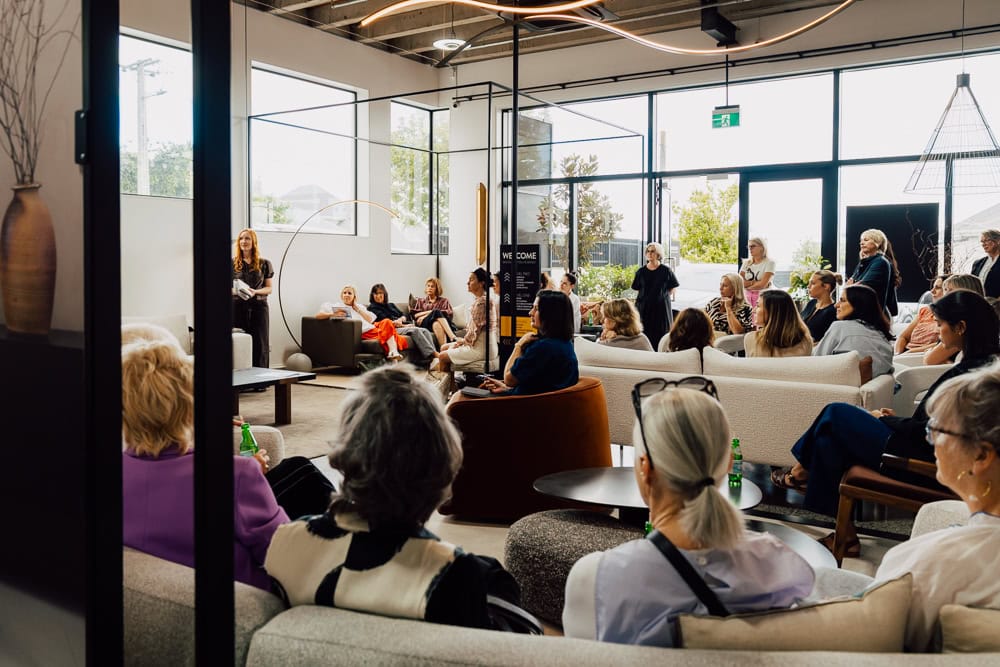
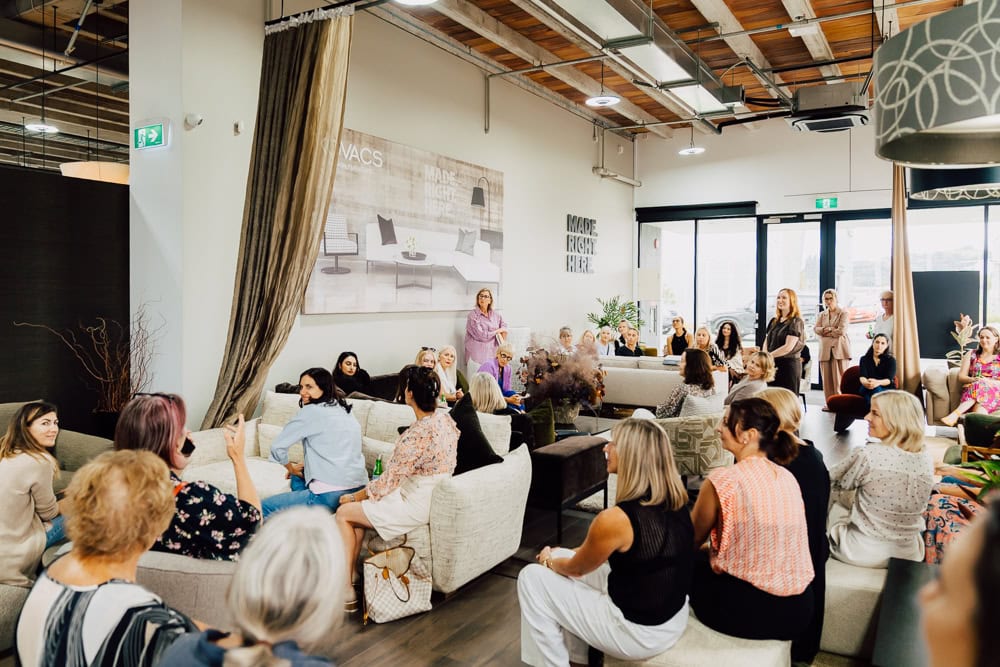
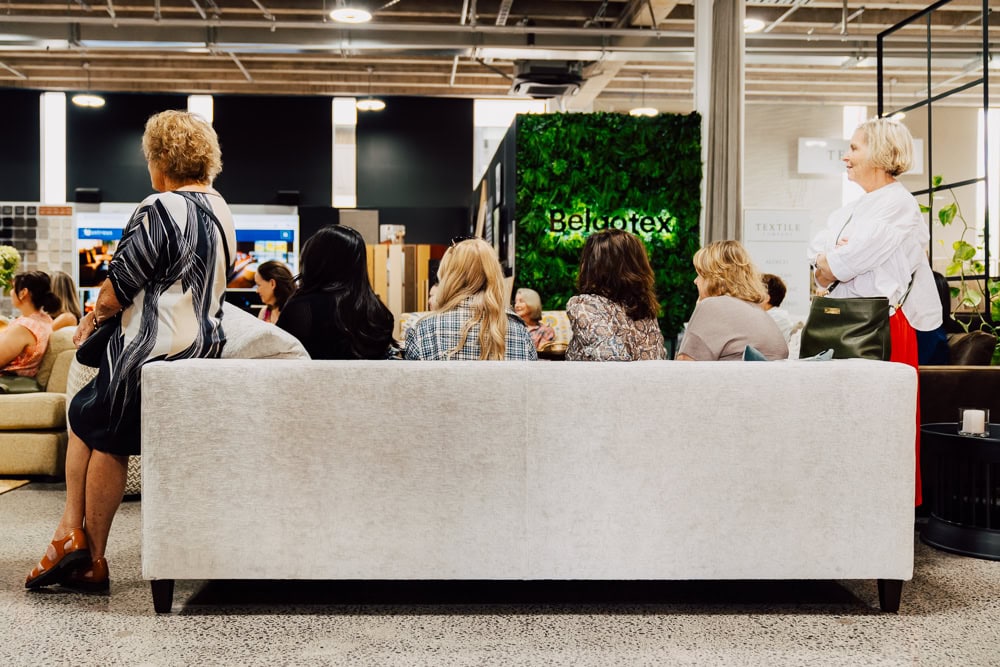
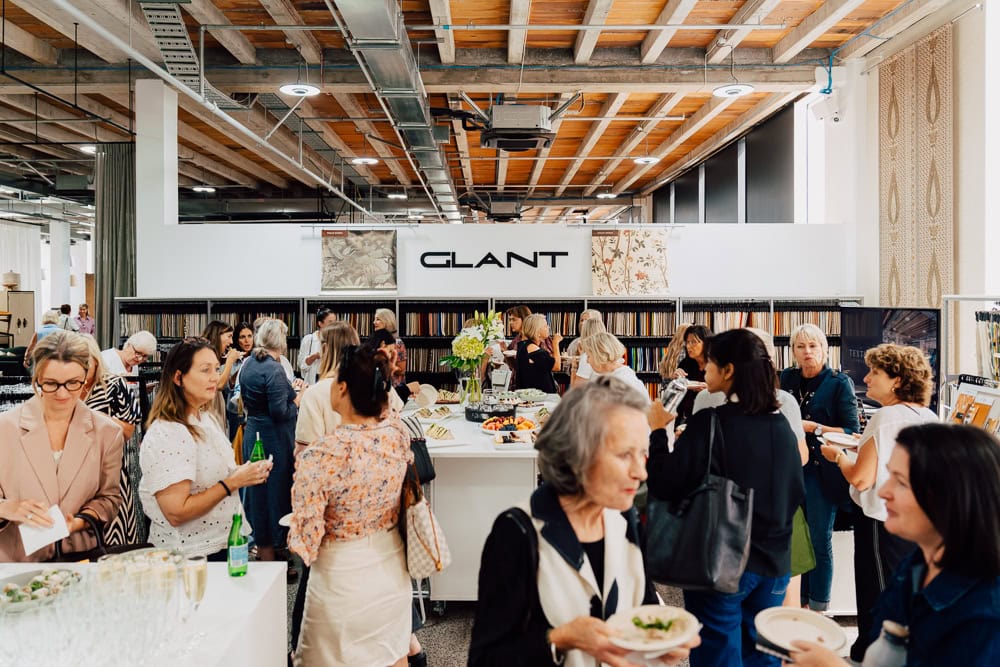
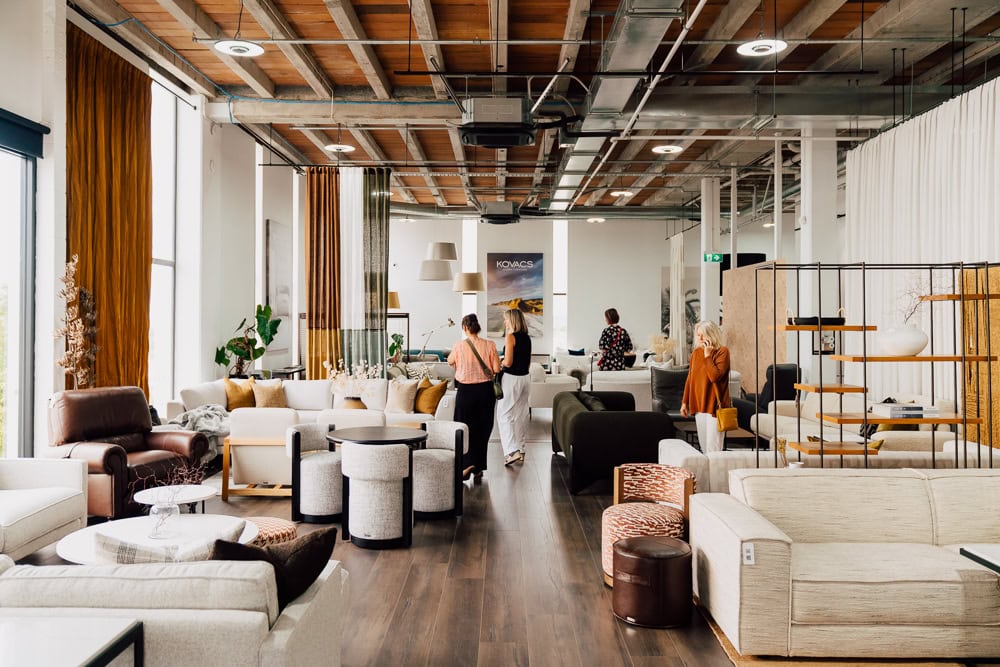
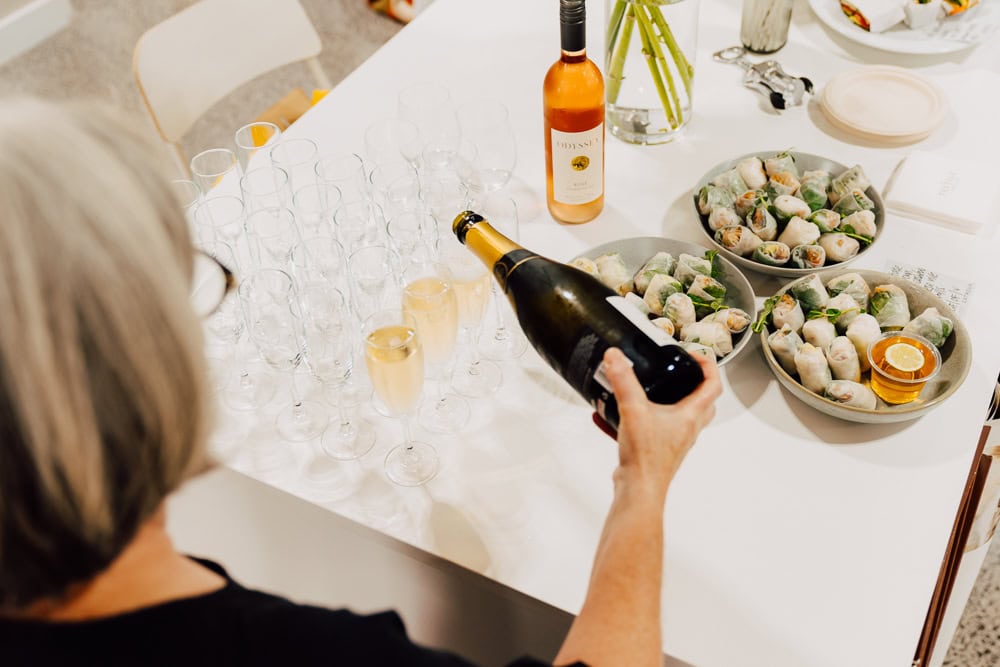
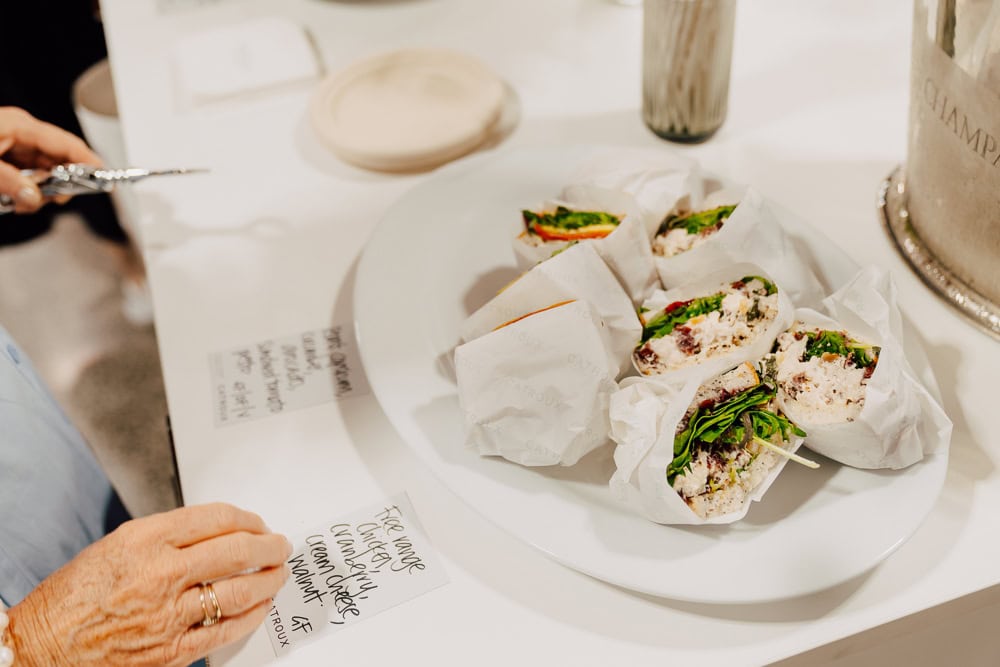
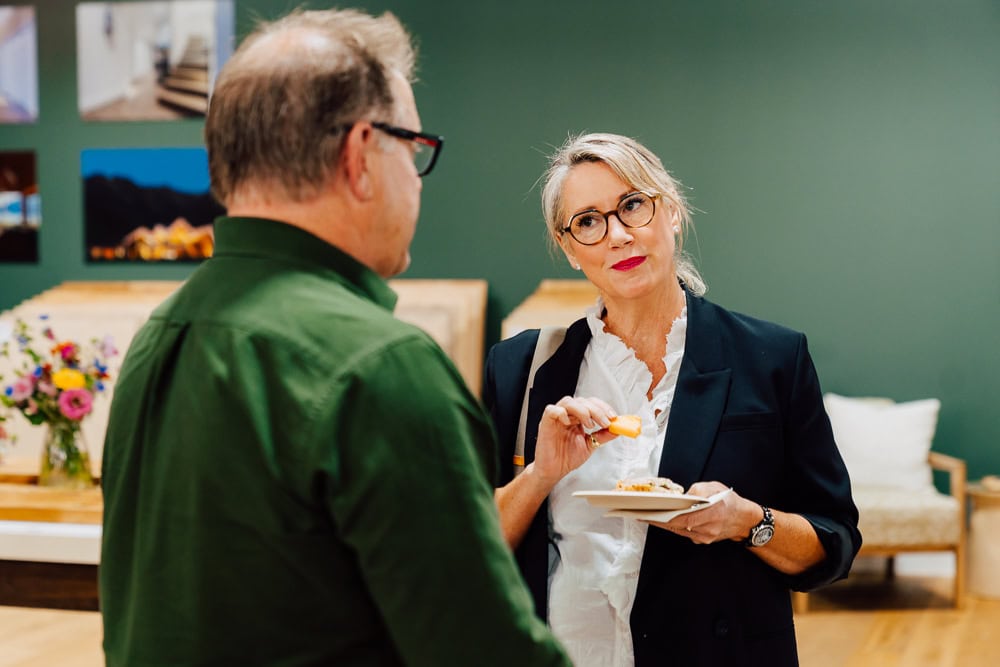
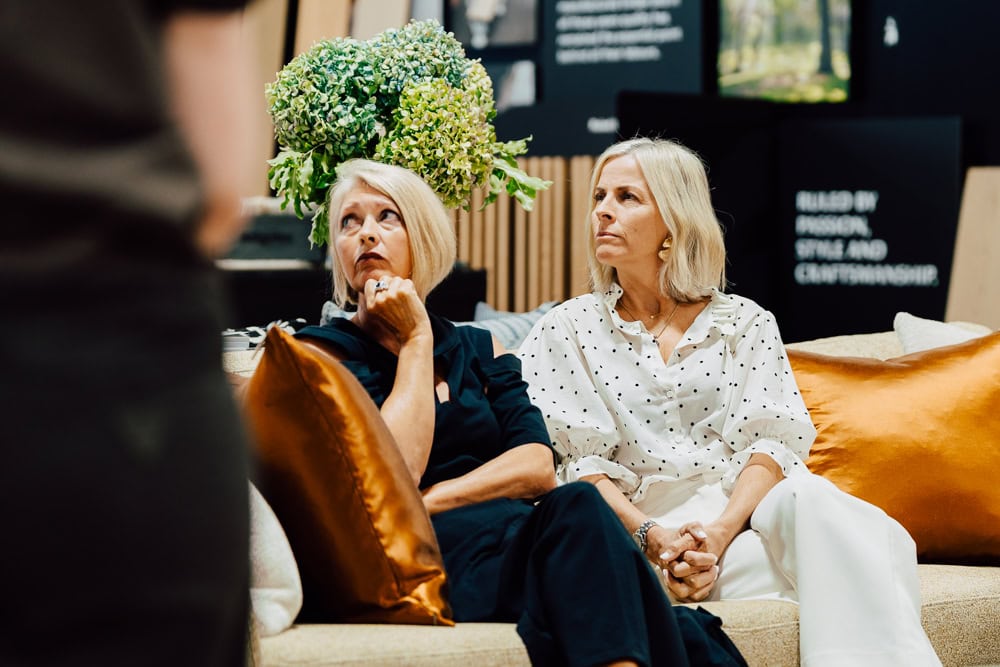
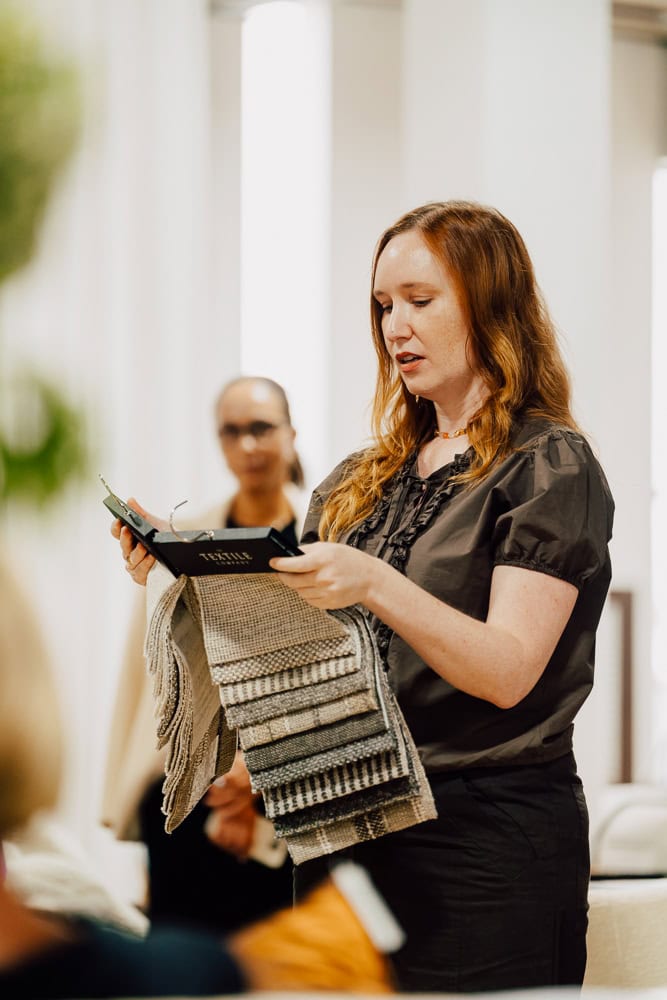
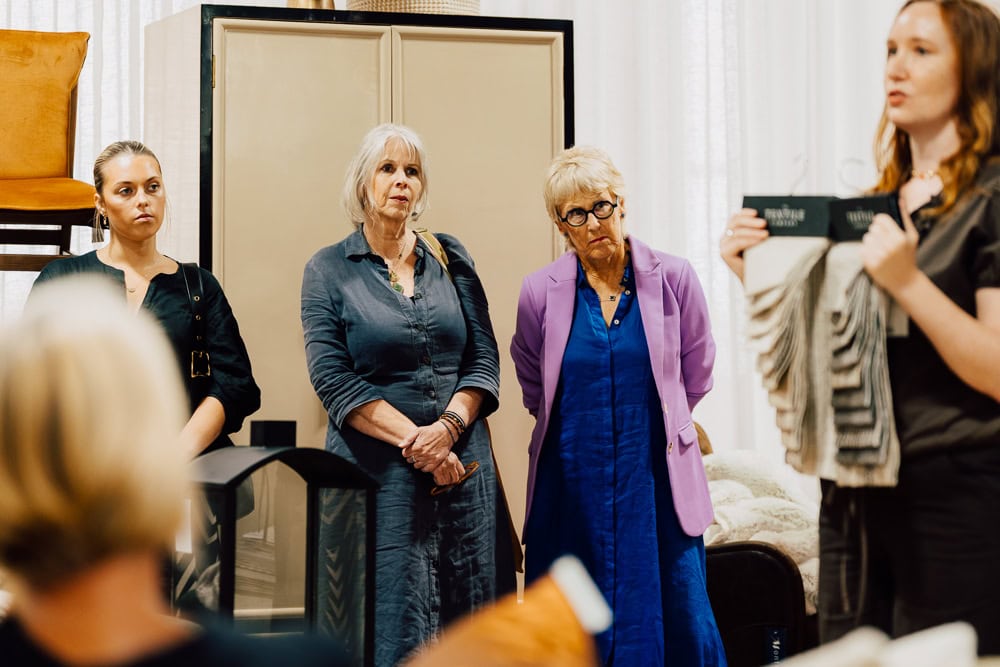
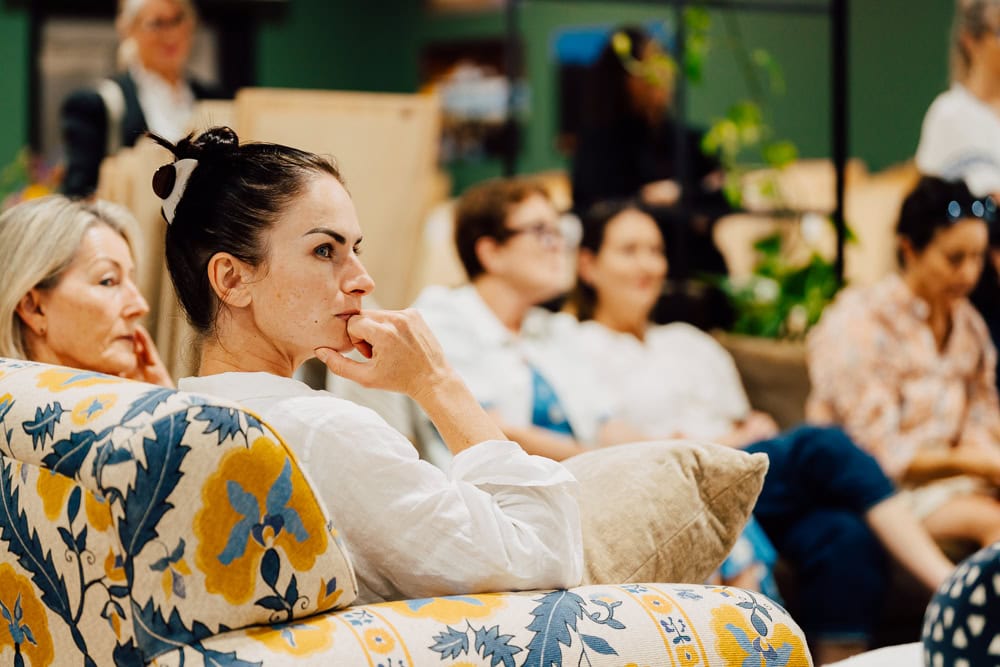
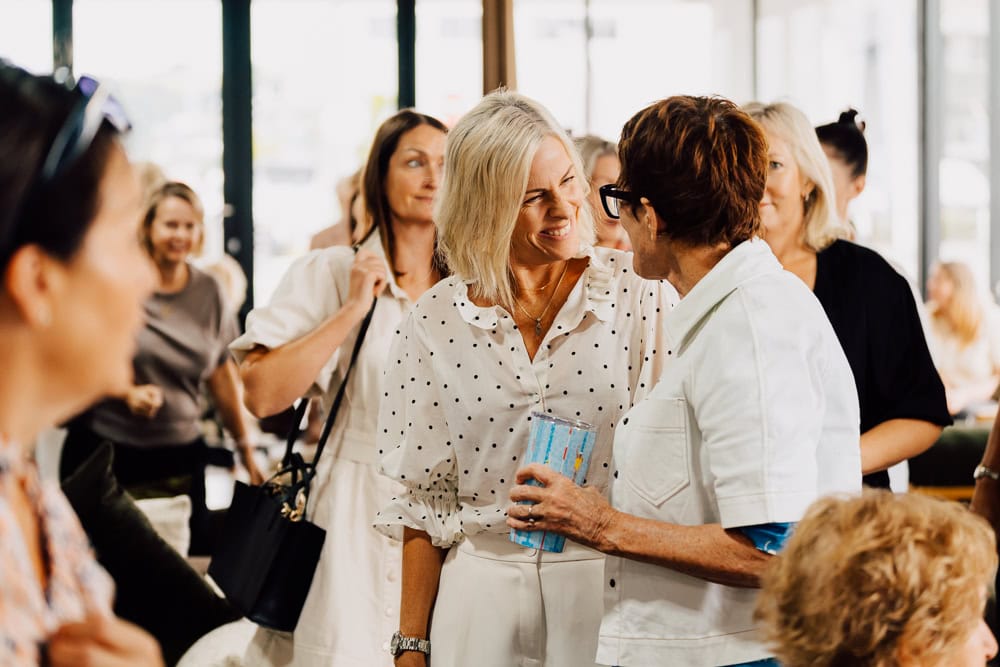
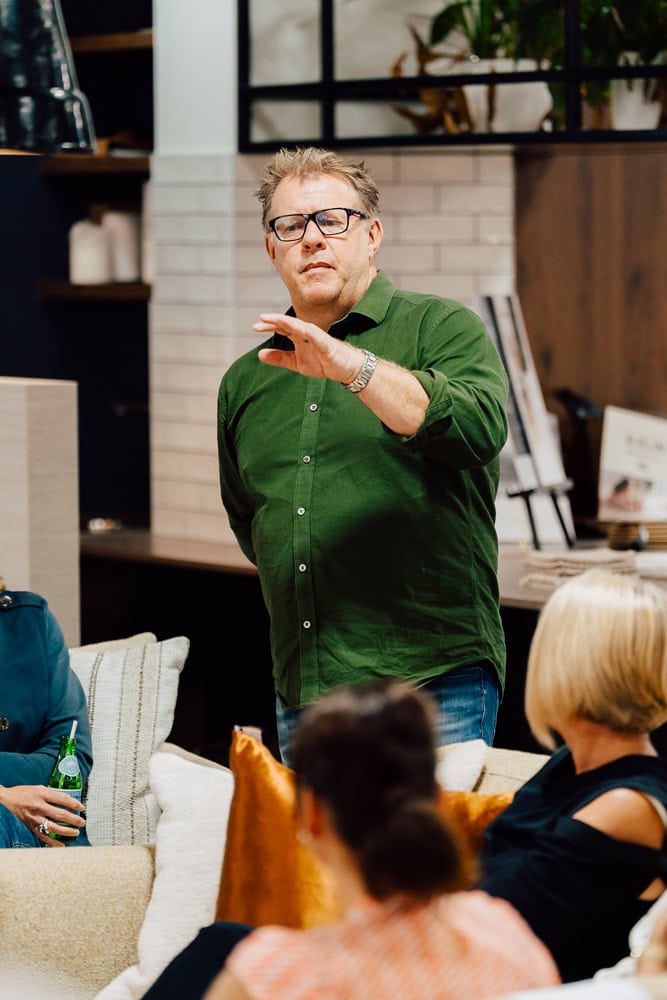
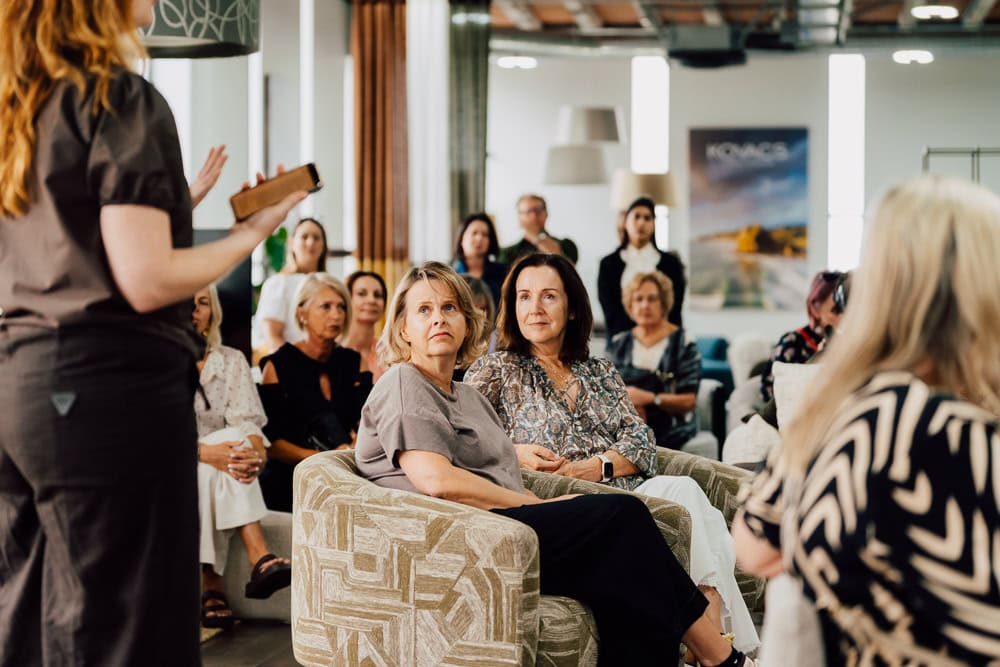
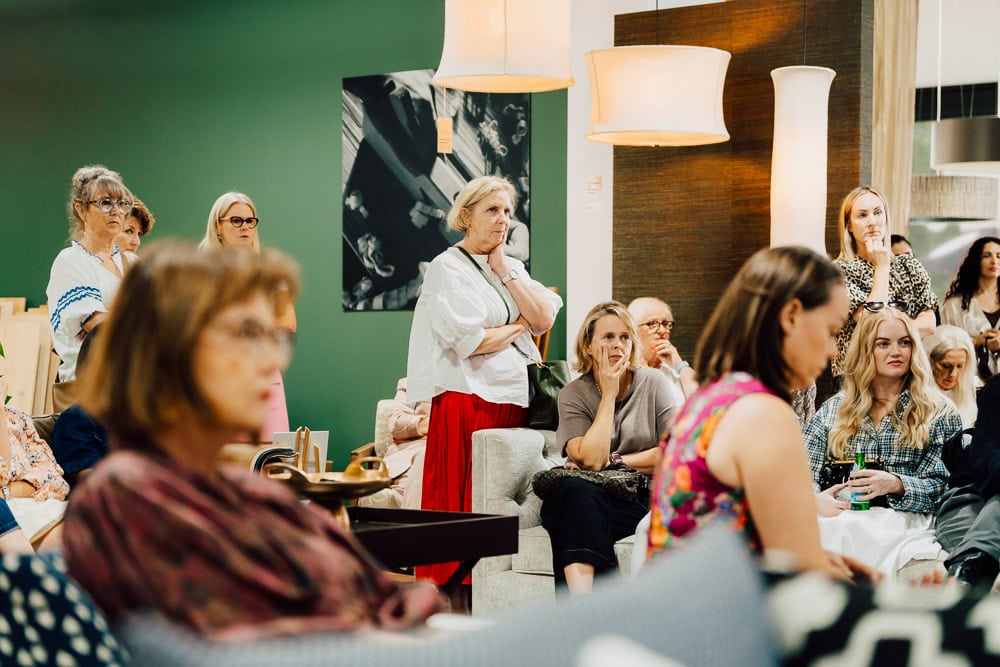
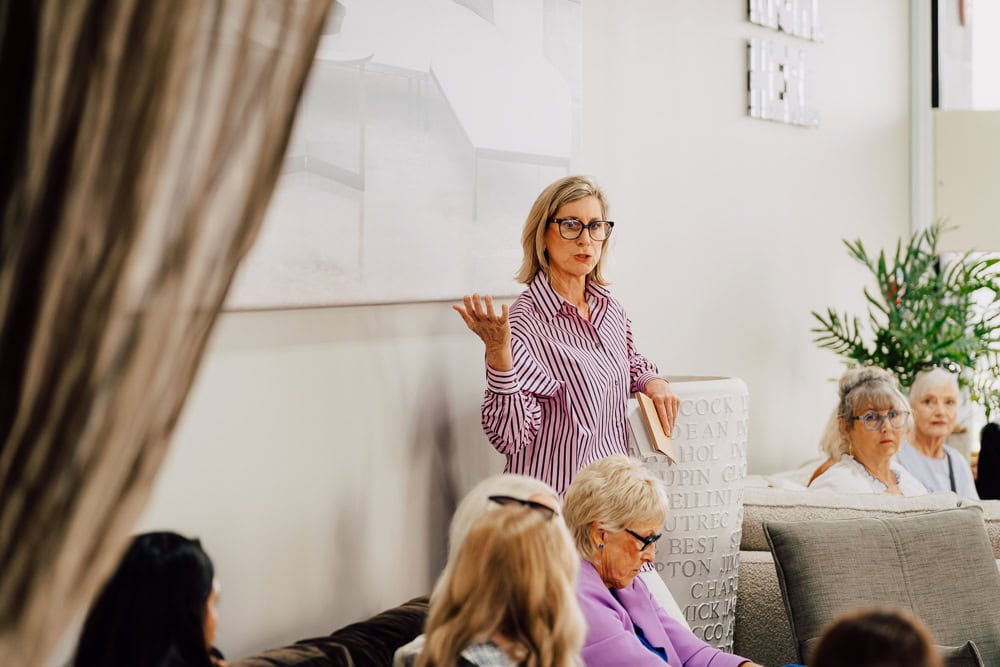
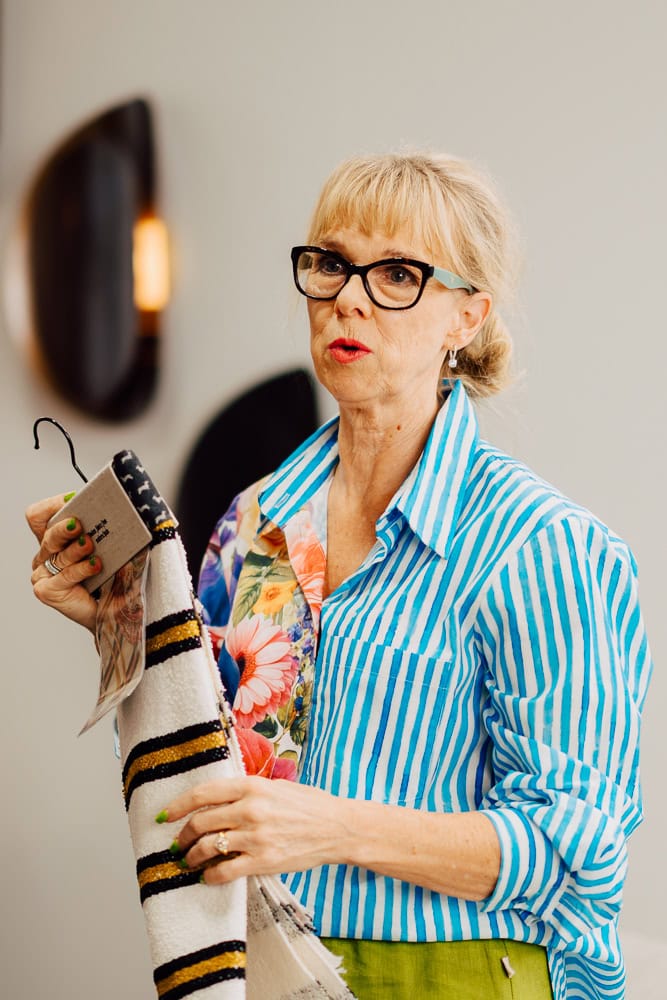
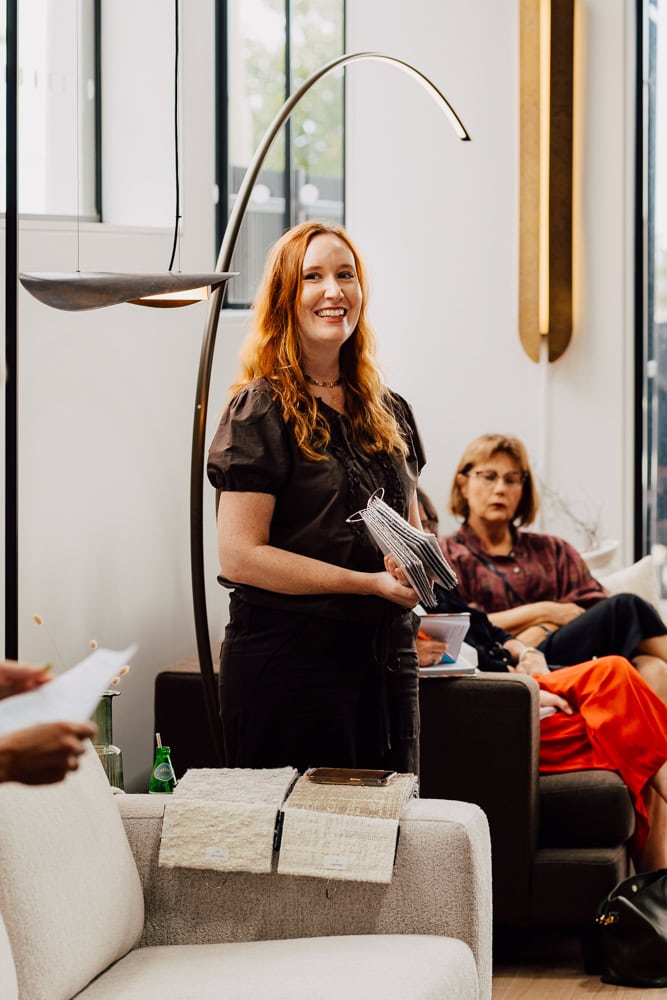
The Textile Company presents ‘Textile Talks’, an event held at 159Design Auckland, alongside Montreux, Kovacs and David Shaw — a considered dialogue between furniture and fabric.


Related Posts
Wallpaper Renaissance
During those decades, wallpaper was an essential element of home decor, enveloping rooms in lively patterns and bold colours. For many, this era of wallpaper became synonymous with memories of intricate floral prints, geometric shapes, and textural patterns—a sense of enveloping richness that brought walls to life.
Lighting the Future
With its Auckland showroom expanding from 324sqm to 482sqm, Blum now has the room to match its ambition. But this isn’t simply more floor space—it’s a carefully composed stage for innovation. A place where designers, cabinetmakers and clients can experience the precision and elegance of Blum hardware not just on display, but in action.
An Artistic Resurgence
Inspired by the influential Abstract Expressionist movement, the new Modern Art collection by Mokum reflects the profound impact that art can have on our everyday spaces.
Love Flowing Inwards
Nature’s beauty and luxurious living intertwine with Bremworth’s recent offering, the Te Aroha collection. Named after the enchanting Waikato town, which means “love flowing inwards,” this collection embodies a deep sense of warmth and comfort that will transform your space.
Textural Nuance
In high-end interior decorating, walls and floors have evolved from blank canvases to intricate works of art. Resene’s collection of specialty finishes offers a distinctive approach to adding depth, texture, and character to spaces, transforming surfaces into statements of luxury and sophistication.
Infinite Threads
As a design-led brand who specialise in rugs, Designer Rugs have carved out a distinct niche by introducing innovative designs that bring bold, striking colours into traditionally reserved interior settings.